Categories
Know your gas oven and how it works
Whether for a heartwarming family dinner or a joyful holiday celebration, the gas range stands as a vital kitchen tool for many, enabling us to craft remarkable meals and unforgettable baked treats. Yet, have you ever pondered over its workings and whether you're maintaining it correctly?
Nov 6th,2024
1882 Views
Whether for a heartwarming family dinner or a joyful holiday celebration, the gas range stands as a vital kitchen tool for many, enabling us to craft remarkable meals and unforgettable baked treats. Yet, have you ever pondered over its workings and whether you're maintaining it correctly?
How Does a Gas Oven or Cooking Range Operate?
Whether it's for a comforting family dinner or a joyous festive gathering, the gas range is a crucial kitchen appliance for many, allowing us to create stunning meals and memorable baked goods. However, have you ever considered how it functions and whether you are maintaining it properly?
· Freestanding: These are the most widespread and budget-friendly gas stove options. They feature finished sides and a back, allowing them to be positioned almost anywhere in your kitchen. A backsplash is often included to shield the wall behind the stove from spills.
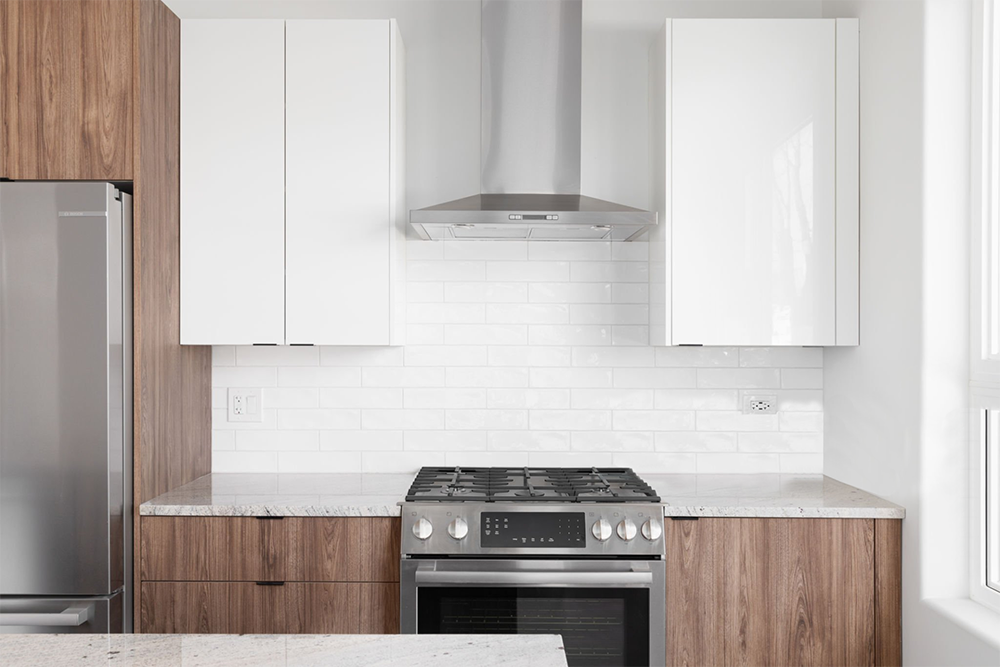
· Slide-in: Tailored to fit into a cabinet space, this type of gas stove offers a more tailored appearance. Their unfinished sides are intended to be concealed by cabinets, making them common in galley kitchens with cabinets framing their sides. Drop-in models, similar to slide-ins, are integrated into the countertop instead of between cabinets.
· Wall ovens: As their name implies, these ovens are installed flush against the kitchen wall and lack stove elements. Gas wall ovens are exclusively sold as "single oven" units, but may include a separate broiler compartment.
Essentially, all gas ovens operate by employing a gas burner that ignites gas from the supply line to create a flame. This burner can be regulated through a knob, enabling you to set the heat to your preferred level. This feature makes gas stoves favored by home cooks who appreciate greater control over their cooking temperatures.
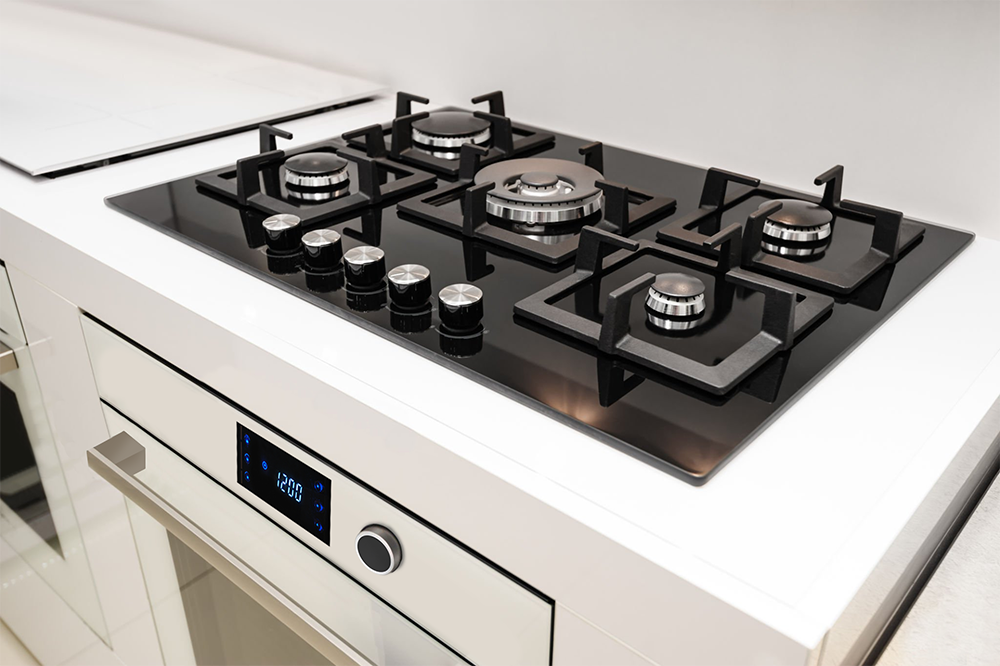
Components of a Gas Oven or Range
Although each stove type may vary in certain aspects, they all possess comparable components. Familiarizing yourself with the parts of a gas oven or range can enhance your understanding of their operation. These components encompass:
· Burners: These generate the flames and heat necessary for cooking food.
· Control knobs/displays: They enable you to regulate the heat intensity for each burner and set the oven temperature.
· Broiler: In some ovens, a dedicated compartment provides intense heat for broiling food. Depending on the model, the broiler may be located in a drawer at the stove's base, or in higher-end versions, it could be a pop-up broiler or a unit positioned above the main range.
Kinds of Ignition Systems for Gas Stoves
If you're lucky to possess a gas range, it's worth noting that both the cooktop and oven can incorporate varying ignition systems. The most frequently encountered types include:
· Pilot light ignition maintains a small, continuous flame to ignite the gas whenever the burner is activated.
· Electronic ignition employs an electric spark to set the gas alight upon turning on the burner. This type of ignition system is also utilized in some outdoor grills.
· Hot surface ignition utilizes a heated metal surface to ignite the gas once the burner is switched on.
The hue of the flames emitted from a gas stove can reveal much about its operational efficiency. Efficient burning is signaled by blue flames, whereas yellow flames may hint at an issue with the burner. A clogged burner or insufficient oxygen supply can lead to yellow flames. Both conditions are often caused by the accumulation of food or liquids, which not only impairs the performance of your gas oven or stove but also hikes up your energy costs due to inefficient burner operation.
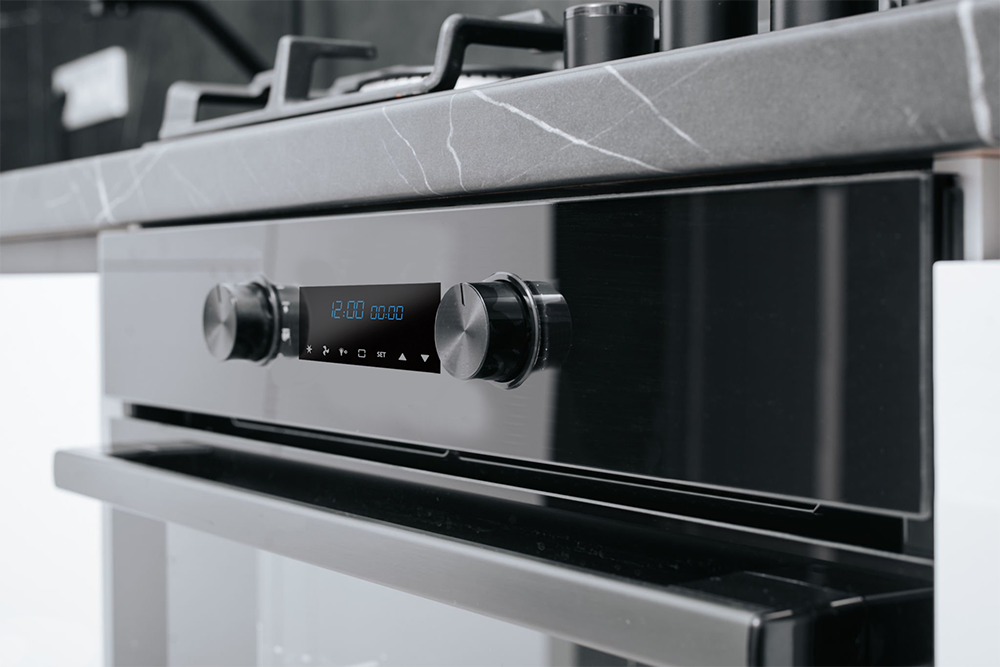
Safety Characteristics of Gas Ovens and Ranges
When cooking over an open flame or using a gas stove, it's crucial to always exercise extreme caution. However, numerous modern gas ranges are equipped with built-in safety features aimed at preventing accidents and safeguarding your home. These include automatic shut-off, child locks, and flame sensors.
The automatic shut-off function cuts off the gas supply to the stove if it detects a gas leak or if the flame extinguishes. Child locks are designed to prevent young children from turning on the stove accidentally, while flame sensors monitor the flame's burning pattern and shut off the gas supply if they detect improper combustion, thereby avoiding potential gas leaks.
Nevertheless, these safety features don't imply that you should neglect monitoring your gas stove while cooking. While you don't need to stand directly in front of your oven while cooking a roast, you should remain within close proximity when using the burners, especially if you have small, curious children in your home who might burn themselves if they get too close.
Benefits of Utilizing a Gas Oven
When considering ovens, you generally have two choices: gas or electric. Compared to electric ovens, gas ovens offer numerous advantages. Below are some of the benefits of utilizing a gas oven in your home:
· Quicker Cooking Durations
Gas ovens provide swift heating and cooling, resulting in quicker cooking times, which is particularly advantageous when you're pressed for time or preparing food for a large gathering.
· Generates heat that is more humid.
Compared to electric stoves and ranges, gas ovens offer heat with added moisture. This moist heat can prevent dishes, such as a Thanksgiving turkey, from becoming dry and make a significant difference in baking cakes and pastries.
· Superior temperature regulation
Gas ovens provide accurate temperature regulation, making them perfect for high-heat cooking methods such as searing, roasting, and baking. With a gas oven, you can fine-tune the temperature to ensure your dishes are cooked to perfection.
· Efficient energy utilization
Gas ovens and ranges generally offer better energy efficiency compared to electric ones, leading to lower energy bills. This is because gas ovens heat up and cool down swiftly, reducing the energy needed to maintain their temperature.
While gas may be more affordable depending on your location, it necessitates professional installation if you lack a gas line, whereas an electric oven merely requires a standard outlet. However, if you reside in an area prone to power outages, owning an electric oven and range might mean relying more on take-out meals during outages.
· Selecting the Optimal Gas Oven or Range
If you're thinking about making a switch to a gas stove or need to replace your current one, there are several factors to take into account. Below are some considerations to keep in mind while selecting the optimal gas stove.
· Size
We've all come across our ideal oven in a catalog or article, but when it comes to selecting the perfect gas stove, size truly matters. The dimensions of your kitchen and the area designated for installation will dictate the stove that suits your needs. Factor in the width, depth, height, and the necessary clearance space surrounding it.
· Cooking Surfaces
Think about the quantity and kind of burners you require. Many gas stoves come with four or five burners, but some models offer six or even more. Furthermore, some burners are tailored for specific cooking tasks, such as high-heat searing or simmering. Certain stoves also feature specialty burners, like griddles. Ensure you pick a model that aligns with your most common cooking needs.
· Oven Size or Storage Capacity
Another crucial factor to consider is the oven's size. If you often prepare large meals or multiple dishes simultaneously, you may prefer a gas stove with a larger capacity or even opt for a double oven model. Conversely, if you have limited kitchen space or typically cook smaller dishes, a smaller oven might suffice.
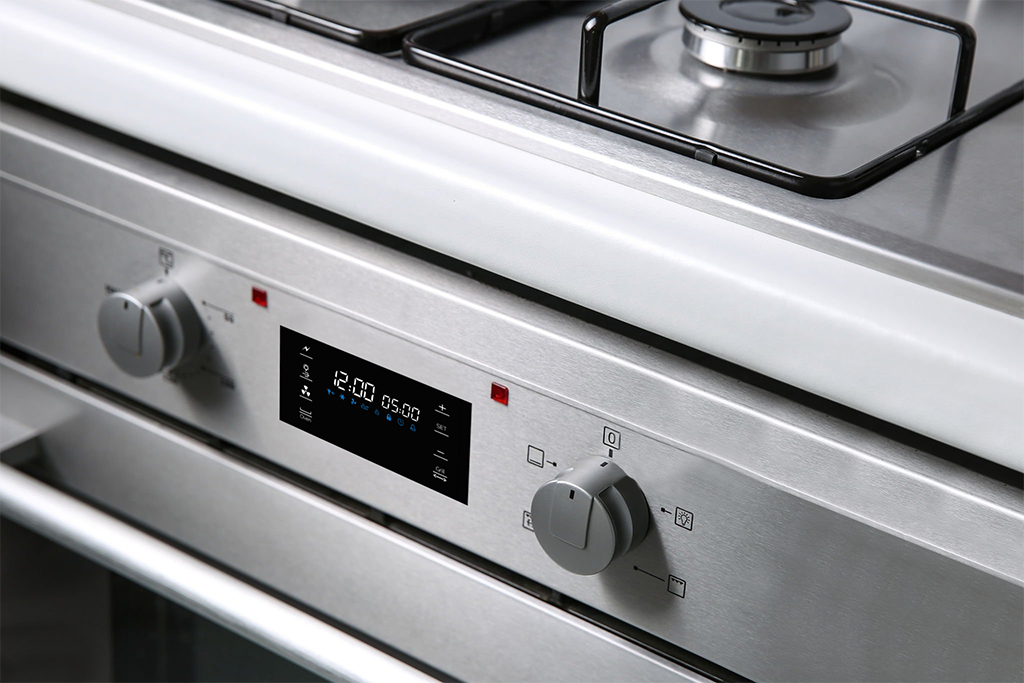
Selected Gas Oven Controllers by elecontro®
High-quality gas oven controllers give your gas oven more precise temperature regulation, more settings, and longer life.
With over 20 years of expertise in kitchen appliance controls, elecontro® offers a wide range of fully featured gas oven controllers that can be customized to your unique needs and preferences. Our innovative team of engineers and designers are at the forefront of kitchen appliance control technology.