The Main Components of a Range Hood
This section presents each key component of a typical range hood, describing its role and its place within the overall ventilation system. The parts are introduced in an order that reflects their relative importance to the hood's operation, beginning with the motor—the core of the system—and moving on to additional elements and concluding with aspects related to structure and certification.
1. The Blower or Fan
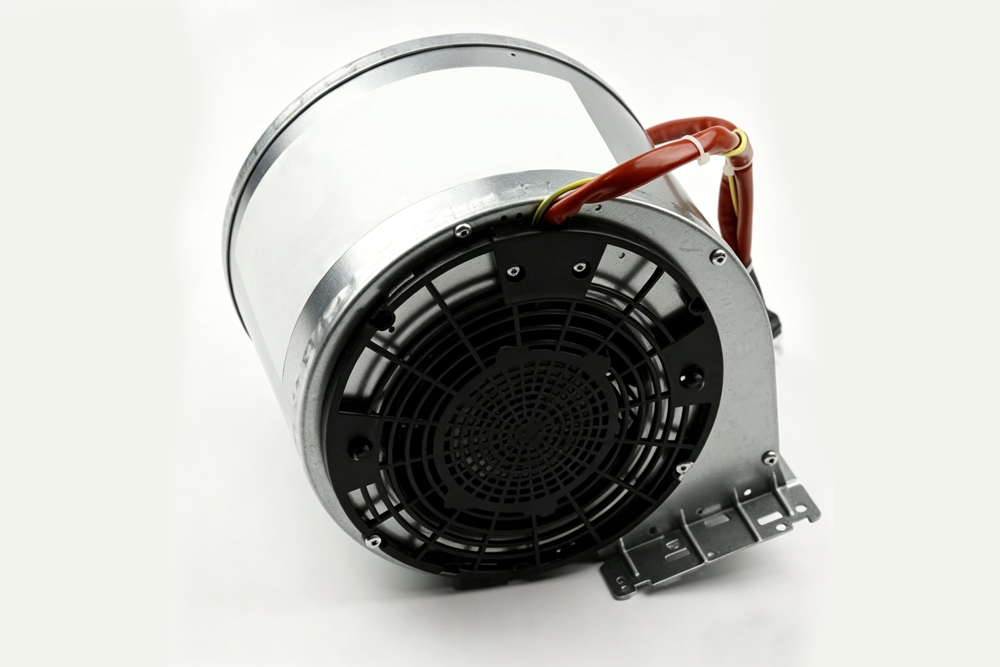
At the core of the range hood is the blower, which may also be referred to as the fan or motor. Its primary role is to draw in smoke, steam, and cooking fumes from the area above the cooktop. Once captured, the air is either directed outside through a duct system or sent through a series of filters and then released back into the kitchen.
The motor is available in three different setups: an internal blower is housed directly inside the hood unit itself, an external blower is positioned on an exterior wall or roof outside the residence, and an inline blower is placed within the ductwork between the hood and the outdoor vent.
Performance is measured in cubic feet per minute (CFM), which indicates the volume of air moved by the motor in one minute. Sound output is expressed in sones, a scale that reflects the perceived loudness of the fan, with a lower value signifying less noise. For kitchens that open into adjacent living or dining spaces, a sone rating below 3 at medium speed is generally considered acceptable.
2. Filters: Managing Grease and Odors
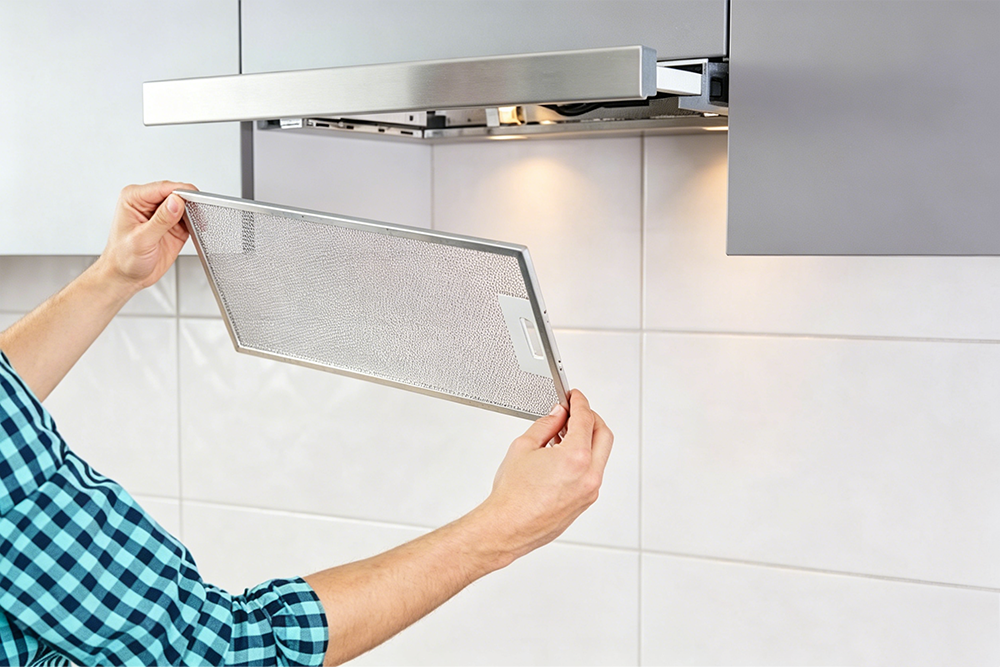
Range hoods typically employ three categories of filters, each serving a distinct purpose. Baffle filters, constructed from stainless steel, use a series of angled channels to direct airborne grease into a collection tray. Mesh filters consist of flat aluminium or stainless steel screens that capture grease particles as air flows through them. Charcoal filters, which are found only in ductless models, rely on activated carbon to absorb cooking smells rather than to trap grease.
Together, these filters act as the primary barrier against grease and odours in the kitchen. They help safeguard the blower motor from residue accumulation, contribute to better indoor air quality, and play a key role in determining how often the hood needs maintenance.
3. The Grease Tray
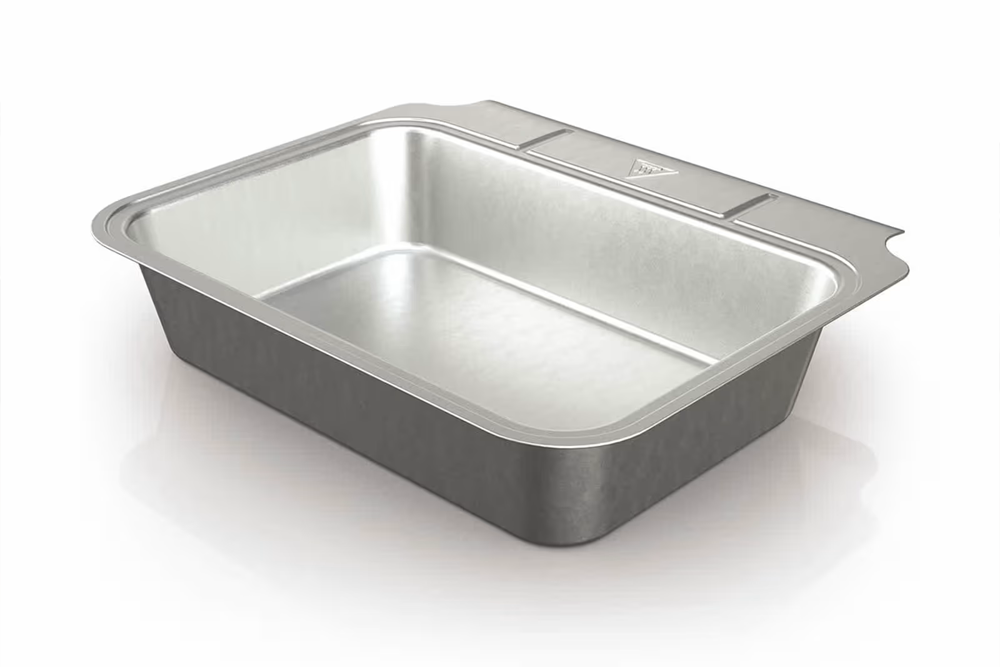
Positioned beneath the filters, the grease tray—also referred to as a drip cup or drip pan—is a small, detachable receptacle designed to capture grease that drips from cooking vapours. It operates independently of the filter assembly and is frequently neglected during routine care.
Under typical cooking conditions, this tray should be emptied and wiped out every two to four weeks, as an overfilled or overflowing tray poses a fire risk. Most models allow the tray to be pulled out from the hood casing without the use of tools, and it can be safely washed by hand using warm, soapy water.
4. Control Interface and Speed Options
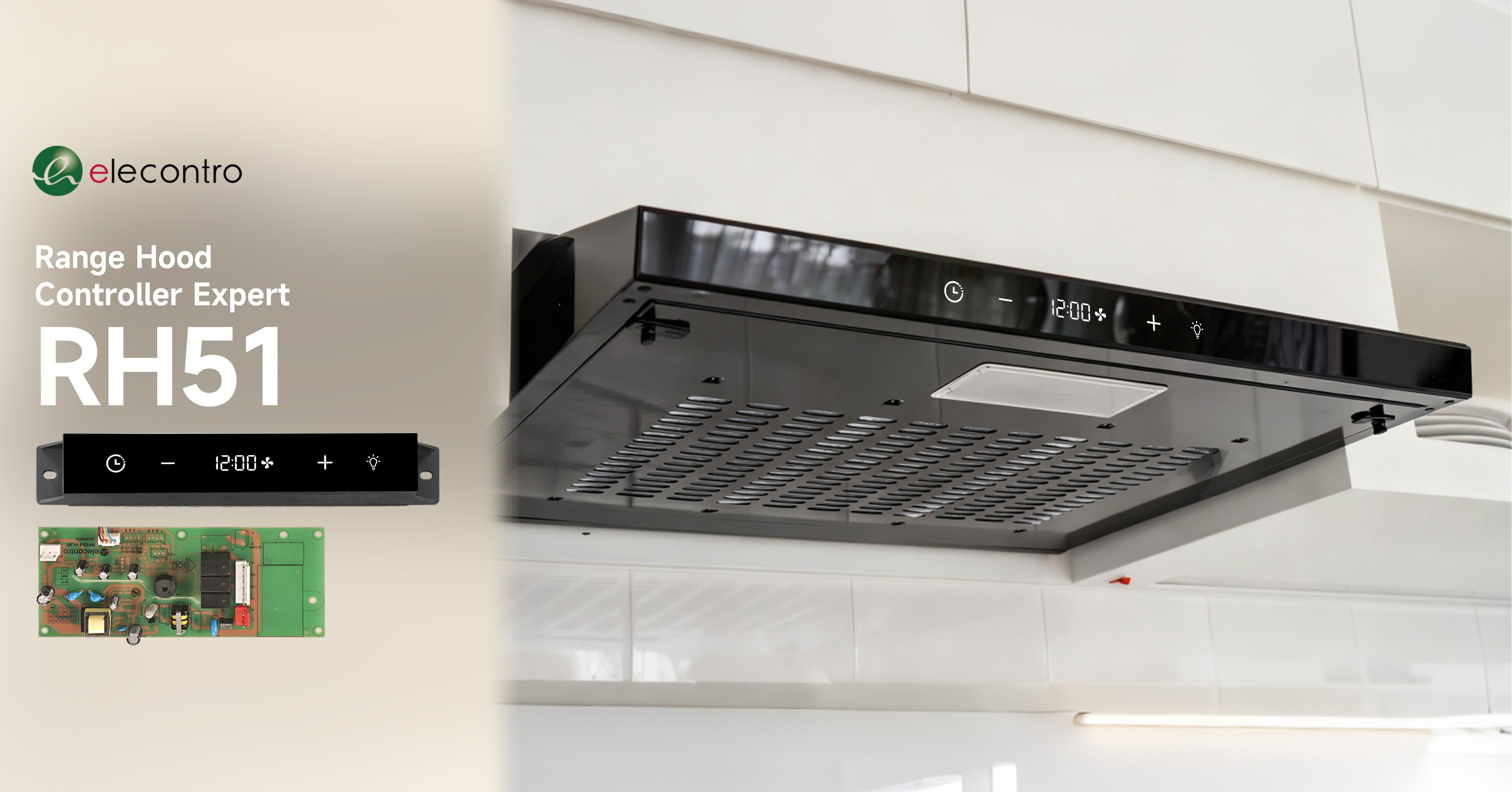
The control panel serves as the primary user interface for operating the range hood. It allows adjustment of fan speed, lighting, and any extra features included with the model. These panels come in several formats, ranging from conventional mechanical knobs and physical push‑buttons to modern digital displays and touch‑screen interfaces.
Most range hoods provide two to four distinct fan speeds. A built‑in fan delay, present on many units, keeps the ventilation running for a short period after cooking finishes, helping to remove lingering smells. Timers and automatic shut‑off are also frequently available, particularly on models with electronic or touch‑screen controls. Illumination is typically provided by bulbs with a wattage between 25 and 50 watts, ensuring adequate brightness over the cooking surface.
5. Lighting System
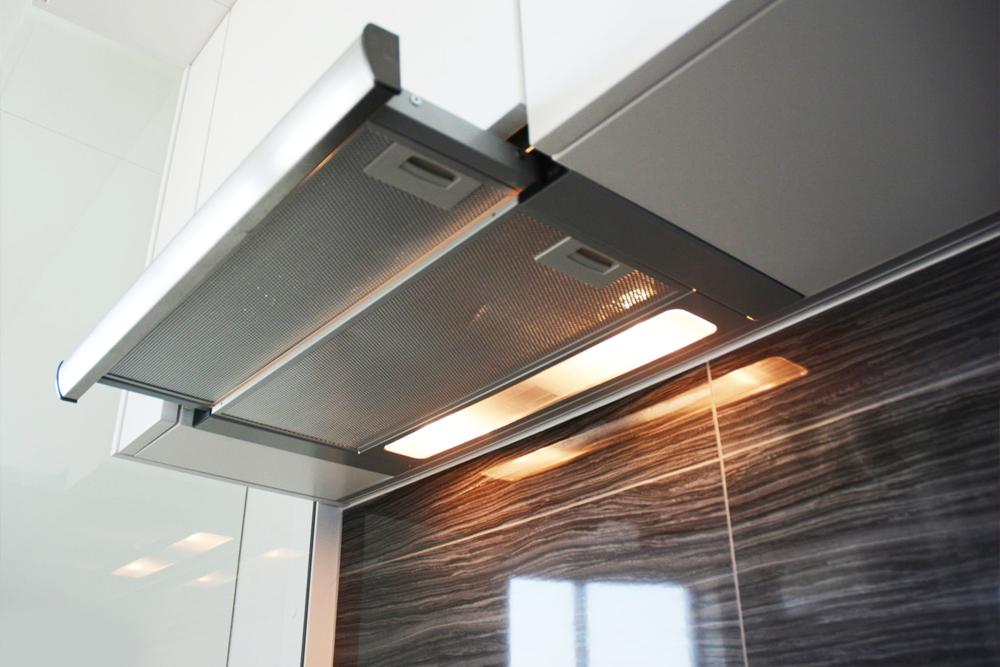
The lighting system provides illumination over the cooktop during food preparation, serving both a practical safety purpose—by enhancing visibility at the stove—and an aesthetic role in the overall kitchen atmosphere.
LED lighting is now widely used in most modern range hoods. It offers low energy consumption, generates little heat, and lasts considerably longer than older bulb types. Some models still utilise halogen lights, which emit a more intense, warmer glow. Bulbs commonly range between 25 and 50 watts, and replacing them is usually a straightforward process when they eventually fail.
6. Ductwork and the Exhaust Route
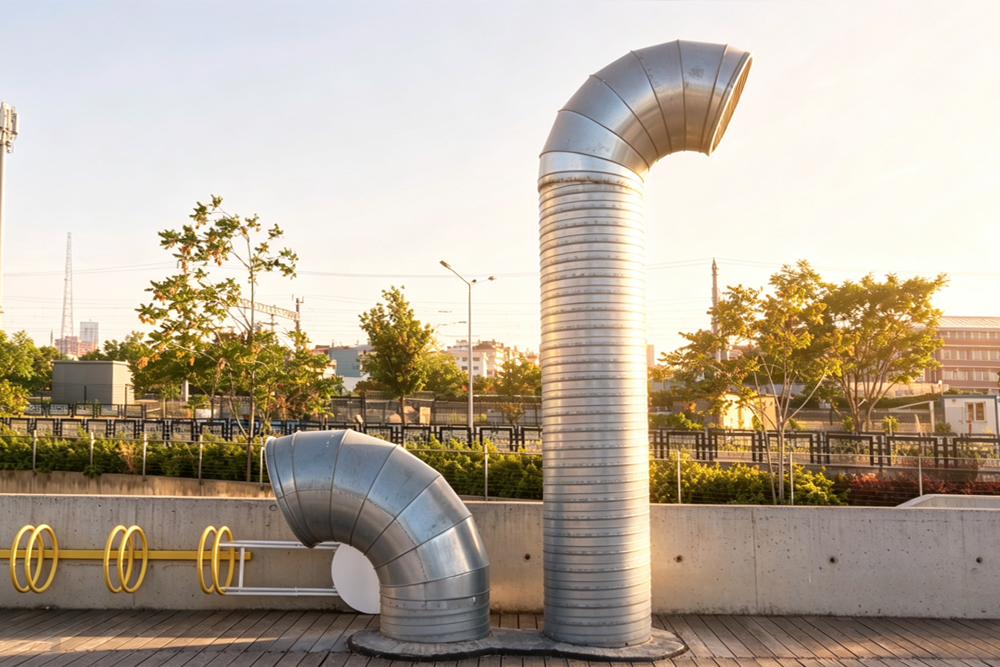
The ductwork forms the passage through which exhaust air travels from the blower to the outside of the building. In vented range hood configurations, this pathway plays a decisive role in how effectively the fan's rated CFM is translated into actual extraction performance.
For most residential installations, smooth-walled rigid metal ducting with a diameter of 6 to 8 inches is the preferred choice. It offers minimal airflow resistance and is easy to maintain. Each turn or elbow in the duct run reduces airflow, meaning that shorter, straighter routes are more efficient. In cases where the hood is rated above 400 CFM, local building codes may require a make‑up air system, which supplies fresh air to the kitchen to compensate for the volume being exhausted and prevent negative pressure issues.
7. Canopy, Hood Body, and Chimney Section
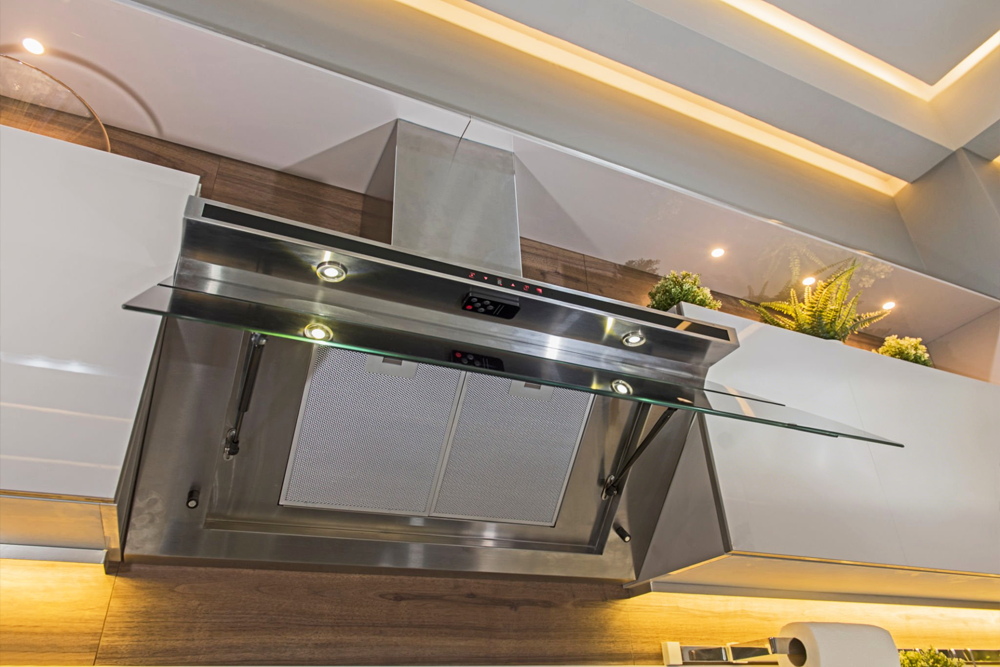
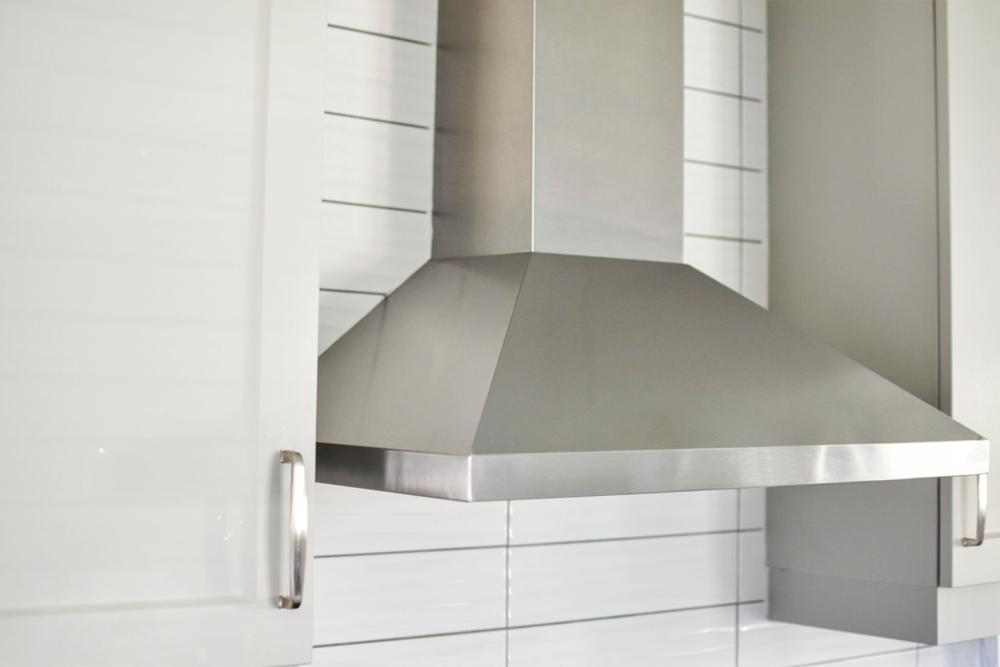
The canopy forms the visible lower portion of the range hood, located directly above the cooktop. Its shape and width are important for capture efficiency, as a broader canopy covers a larger cooking area and helps direct rising smoke, steam, and grease-laden air toward the filters and blower assembly.
Stainless steel is the most common material for canopies, although tempered glass and custom-built cabinetry panels are also available depending on the model and overall kitchen design. For wall-mounted and island hoods, the chimney—sometimes referred to as the flue or flue cover—is the vertical enclosure that extends from the upper part of the canopy to the ceiling, hiding the ductwork from view. Most chimneys consist of two telescoping pieces, allowing adjustment to accommodate different ceiling heights.
8. Dampers and Check Valves
A damper—often referred to as a backdraft damper or check valve—consists of a movable flap or gate positioned within the ductwork or at the exterior vent opening. Its primary role is to stop outdoor air from entering the kitchen through the exhaust passage when the hood is turned off.
These devices typically operate either by spring tension or by gravity. They open automatically when the blower pushes air through the duct and close again once the fan stops. Some range hoods include a damper built into the blower housing, while others depend on a damper fitted at the exterior wall cap. Over time, grease accumulation can hinder smooth movement, so verifying that the damper operates freely is an important part of routine maintenance.
9. HVI Certification
The Home Ventilating Institute (HVI) is an independent body that evaluates and certifies the performance of residential ventilation equipment, including range hoods. Products bearing the HVI mark have had their CFM and sone ratings verified under controlled, standardized conditions, rather than relying on figures provided solely by the manufacturer.
This distinction is important because performance values obtained from testing a hood without filters or with no ductwork attached can be noticeably higher than what is achievable in a typical kitchen installation. HVI‑certified ratings, in contrast, are based on consistent testing protocols, offering both consumers and installers a dependable reference for comparing different models.
Choose elecontro® Range Hood Controller – enhance your kitchen experience!
elecontro®'s range hood controller not only improves your cooking comfort but also maintains the pristine kitchen environment through detailed control of air flow and extraction rate. With more feature settings tailored to your cooking habits, you'll experience unparalleled performance and longer service life from your range hood.