The story of how kitchen ventilation evolved is quite compelling, beginning with the basic imperative to clear smoke and cooking smells from food preparation areas. From rudimentary methods to today’s electric range hoods, this progression highlights the steady improvements made in kitchen living spaces.
Early Approaches to Removing Smoke
In the earliest kitchens, smoke was mainly managed through chimneys and openable windows. These solutions, however, were far from ideal—they often let in cold drafts and did not capture all the fumes generated during cooking.
The Advent of Powered Mechanical Ventilation
As culinary practices grew more complex, the demand for stronger extraction intensified. The first mechanically driven ventilators, which were operated by hand or steam power, represented a significant leap forward in reducing airborne grease and odours.
The Shift to Electric‑Powered Range Hoods
The widespread availability of electricity brought a transformative change, giving rise to electric range hoods. These new appliances not only removed smoke and smells effectively but also incorporated convenient extras such as internal lighting and speed‑adjustable blowers, making the cooking environment more comfortable and user‑friendly.
Overall, the evolution of kitchen ventilation reflects both technological creativity and responsiveness to changing household needs, and it continues to advance in line with modern cooking habits and kitchen designs.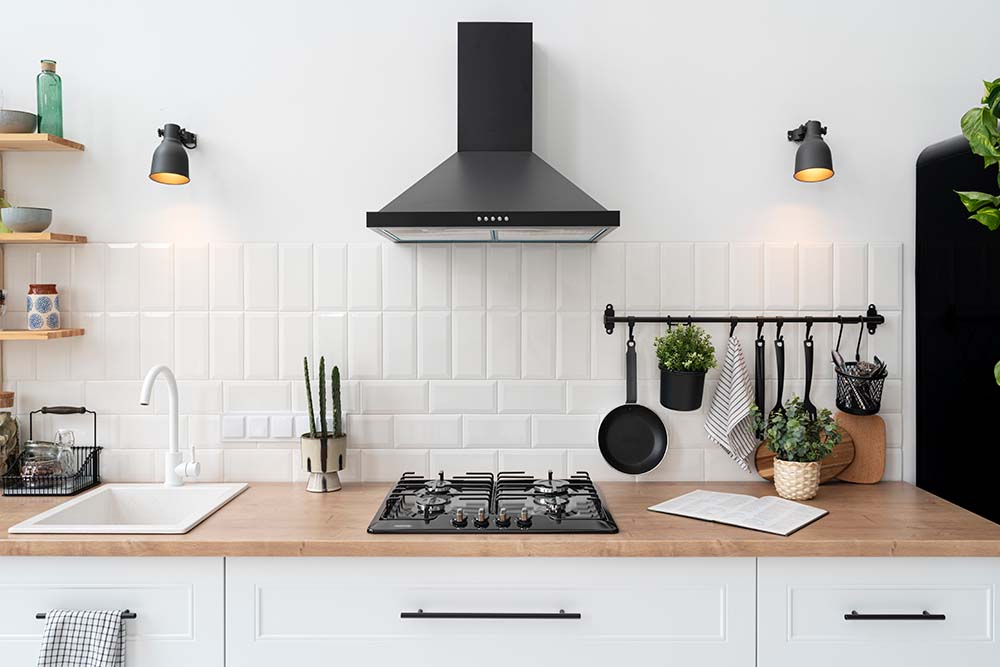
Since its earliest appearance as a modest device for expelling smoke, the range hood has evolved into an indispensable fixture in modern kitchens, contributing not only to cleaner air but also to the overall aesthetic of the space.
One of the most significant breakthroughs came with the advent of convertible range hoods, which allow users to switch between ducted and ductless operation. This flexibility enables homeowners to tailor the ventilation system to their specific kitchen configuration, greatly expanding the appliance's usefulness.
Another major area of progress has been in extraction performance. As kitchen sizes grew and cooking techniques became more demanding, manufacturers boosted suction power to efficiently remove smoke, grease, and strong odours. This improvement ensured that even heavy‑duty cooking could be handled effectively.
Equally important has been the reduction of operational noise. Older models were often notoriously loud, but modern units have been engineered to run much more quietly, making the cooking environment more pleasant and less disruptive.
Looking to the future, further enhancements are on the horizon, including integrated lighting and smart control features. These upcoming additions promise to make range hoods even more functional and visually appealing, ensuring they remain a vital blend of utility and style in the kitchens of tomorrow.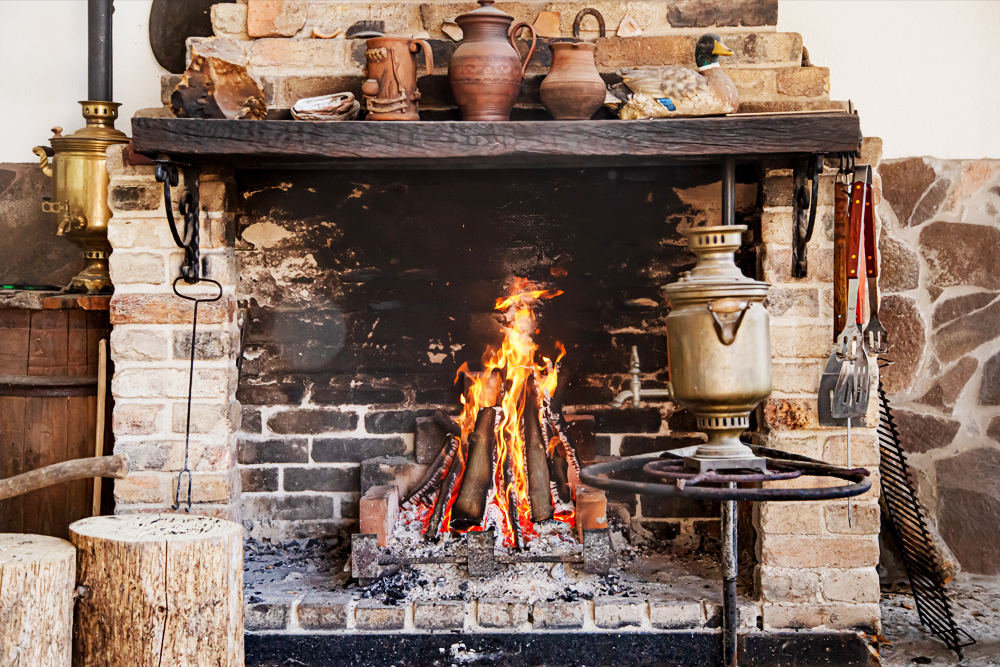
The role of the range hood in kitchen design has evolved significantly over time. Today, it serves not merely as a functional necessity but also as a prominent design element. Homeowners now have a wide array of options to choose from, each tailored to specific kitchen layouts, installation preferences, and aesthetic tastes. Below is an overview of the primary types of contemporary range hoods and the scenarios in which they perform best.
Convertible Range Hoods: Offering Dual Flexibility
For those who value adaptability, convertible range hoods provide the option to operate in either ducted or ductless mode. This allows users to decide based on their kitchen's existing infrastructure or personal preference, making them a versatile choice suitable for a variety of home configurations.
Insert Range Hoods for Custom Built‑In Installations
Designed to blend seamlessly into cabinetry or custom enclosures, insert range hoods are ideal for achieving a streamlined, minimalist look. They are especially popular in contemporary kitchens that emphasise clean lines and an uncluttered appearance, as they remain largely hidden while delivering effective ventilation.
Ductless Range Hoods for Space‑Constrained Kitchens
Ductless models do not require external exhaust ducting, which simplifies installation and reduces construction work. This makes them an excellent solution for apartments, condominiums, or smaller kitchens where running ducts is impractical. They rely on charcoal filters to clean the air before recirculating it back into the room.
Whether your priority is a discreet built‑in appearance, easy installation without major renovation, or the freedom to choose between venting options, there is a modern range hood designed to meet your needs. With such variety available, finding the right match for your kitchen has never been easier.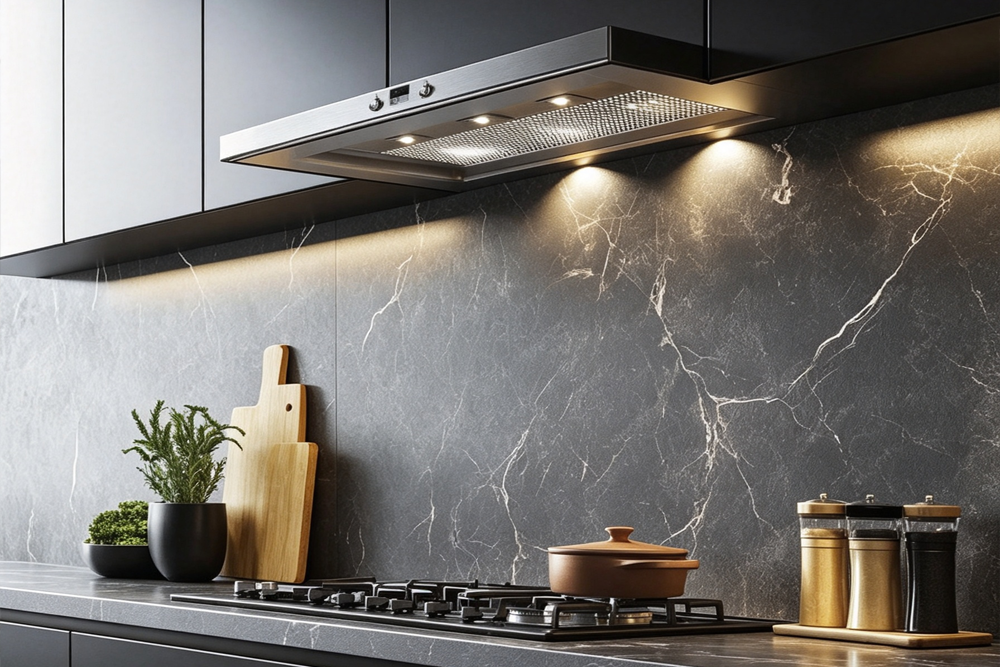
As kitchens continue to evolve, so too does the range hood, which has transcended its original purpose of simple air extraction to become a sophisticated piece of equipment. Modern units now blend visual appeal with cutting‑edge functionality, offering features such as touch‑sensitive panels, energy‑efficient motors, and integrated lighting that serves both practical and decorative roles.
One of the most transformative developments is the incorporation of smart‑home capabilities. Wi‑Fi‑connected range hoods enable users to monitor and adjust settings remotely via smartphones or tablets, enhancing convenience and contributing to better air quality management.
Key advancements in current models include:
· Adaptive sensors that automatically detect cooking activity and adjust fan speed accordingly.
· Energy‑saving motors that lower electricity usage while maintaining strong suction.
· Built‑in LED illumination that brightens the cooktop and adds a modern aesthetic.
· Intuitive touch controls for easy and precise operation.
Looking forward, the future promises even more intelligent features and refined designs, ensuring that the next generation of range hoods will continue to impress with their blend of innovation and style.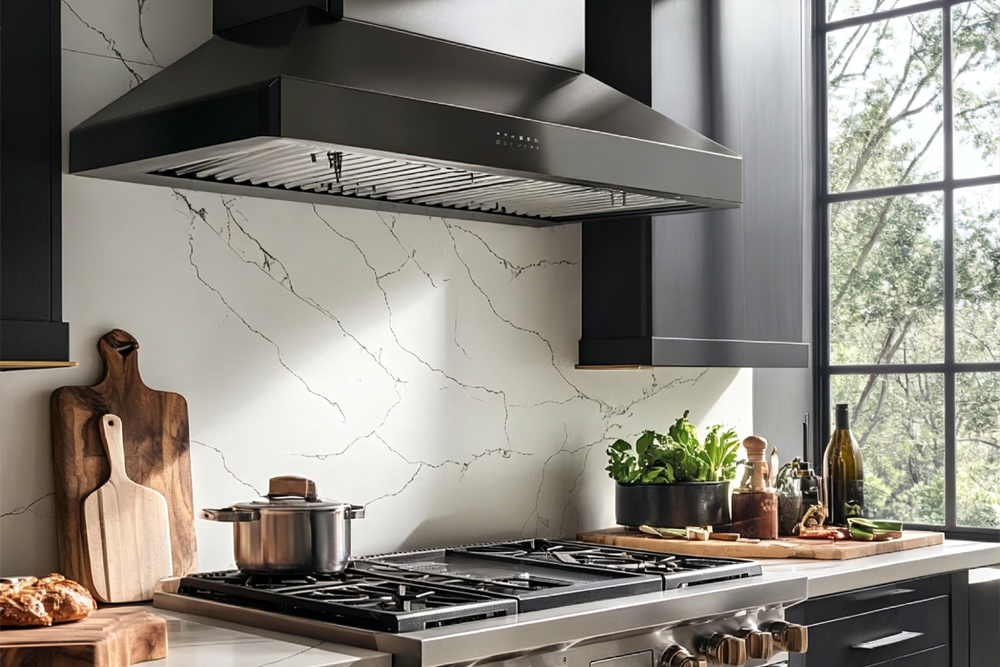
The kitchen has become a central gathering space for both cooking and socialising, and the range hood now plays a pivotal role in shaping its visual appeal. No longer purely utilitarian, today's models are crafted to serve as eye‑catching design elements that complement a wide range of interior styles.
Current Trends in Designer Range Hoods
Among the most sought‑after options are statement‑making island hoods that anchor the kitchen's layout, as well as concealed or retractable units that disappear when not in use for a clutter‑free look. Customisable designs are also gaining popularity, allowing homeowners to tailor dimensions, shapes, and finishes to their specific cabinetry and spatial requirements.
Innovations in Materials and Surface Finishes
While stainless steel remains a classic choice, it is now joined by an array of alternatives. From sleek tempered glass and brushed nickel to warm copper and brass, the variety of finishes available enables seamless coordination with other kitchen elements, creating a harmonious and polished overall aesthetic.
Integration with Smart Home Ecosystems
Increasingly, range hoods are being equipped with intelligent features that connect to home automation networks. Compatibility with voice assistants, mobile apps, and central control systems allows users to operate the hood remotely, receive real‑time notifications, and adjust settings through simple voice commands or taps on a screen.
With such a broad spectrum of design options and smart capabilities, the range hood has become a true reflection of personal taste and a key contributor to both the function and beauty of the modern kitchen.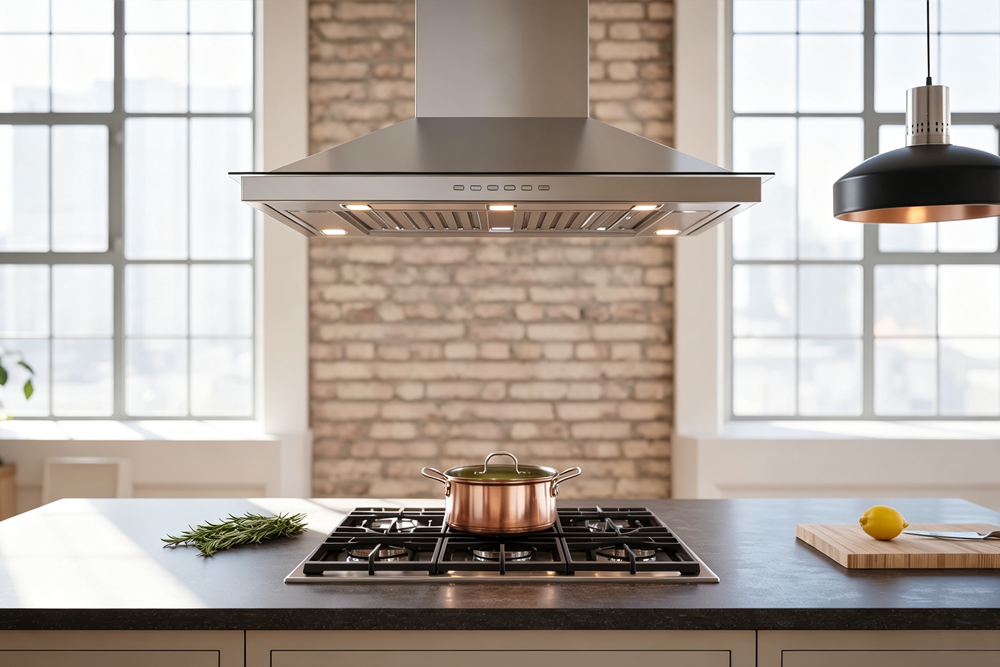
Today, the range hood has become an essential fixture in the kitchen, successfully merging visual appeal with practical performance. Its journey from a basic fume‑removal device to the sophisticated, high‑tech appliances we see now reflects a remarkable evolution driven by changing lifestyles and design preferences.
Current models not only deliver superior air purification and lower energy use, but they also offer seamless integration with home automation systems. At the same time, their aesthetic qualities have greatly improved—now available in a wide range of materials and finishes, they can complement any interior and express the homeowner’s individual taste.
Looking ahead, the role of the range hood is set to grow even more significant as consumers continue to seek cutting‑edge features and striking designs. With ongoing advancements in smart connectivity, enhanced filtration, and innovative styling, the future promises even greater functionality and visual impact for this indispensable kitchen appliance.
elecontro®'s range hood controller not only improves your cooking comfort but also maintains the pristine kitchen environment through detailed control of air flow and extraction rate. With more feature settings tailored to your cooking habits, you'll experience unparalleled performance and longer service life from your range hood.