Standing water left in the washer, clothes that remain soaked when a cycle finishes, or unusually loud noises and strong vibrations may all point to a washer that is not spinning as it should. Each of these warning signs is described below.
· Standing water in the washer: If the drain hose is clogged, bent, or installed incorrectly, the washer may not drain completely. This can interfere with the spin cycle and leave water standing in the drum at the end of the cycle.
· Excessive noise or vibration: A washer that is not level, or a load that is unbalanced, can affect spin speed and produce loud sounds and noticeable shaking during spinning.
· Soaked clothes after the cycle ends: When the washer spins too slowly for the type of load, or does not spin at all, clothing may come out wetter than expected.
A washer that fails to spin may be affected by anything from incorrect settings or an excessively full drum to an unlevel appliance, a bent drain hose, or an interruption in power. Many of these issues can be resolved with basic troubleshooting. The possible causes are outlined below.
1. Door or lid not properly closed
If the door or lid latch is not firmly engaged, the washer will not operate, and a faulty latch can sometimes be difficult to notice. Check that the latch is working correctly to help prevent interruptions during the spin cycle.
2. Power interruption
A power outage or a tripped circuit breaker can stop the washer before it reaches full spin speed, leaving water in the drum. In this situation, run a drain and spin cycle to remove the water, then rewash the load if necessary.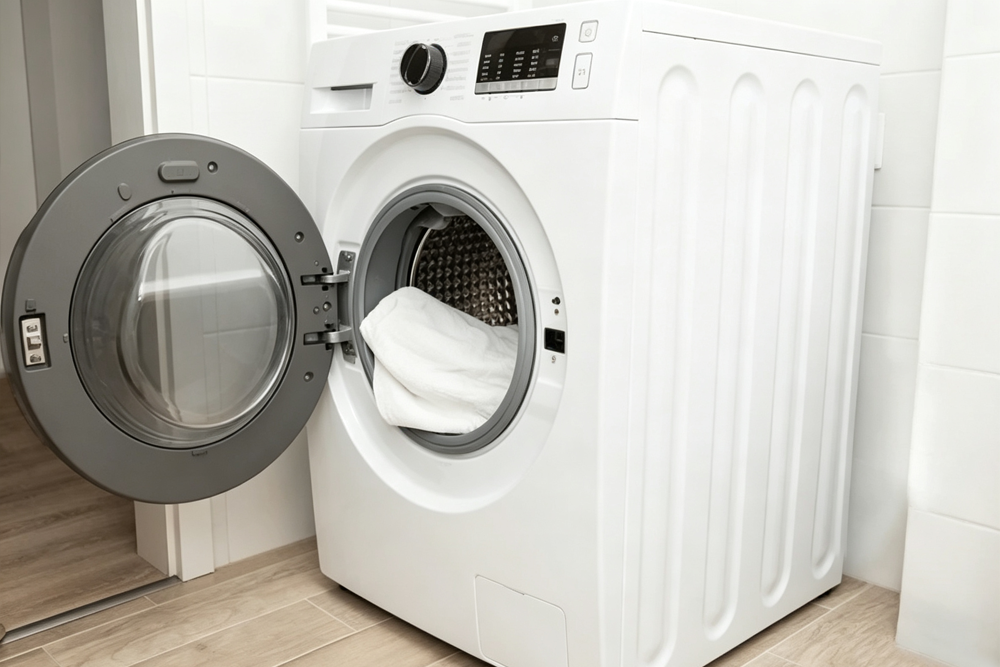
3. Washer not level
An appliance that is not level may become unbalanced, causing excessive vibration, noise, or spinning problems. Consult the relevant guide to learn how to level the washer properly and help each cycle run smoothly.
4. Drain hose bent or blocked
Water standing in the tub may indicate that the drain hose is kinked, clogged, or incorrectly installed, allowing water to flow back into the washer instead of draining out and interrupting the spin cycle. Refer to the appropriate guide for correct drain hose connection so the washer drains as intended.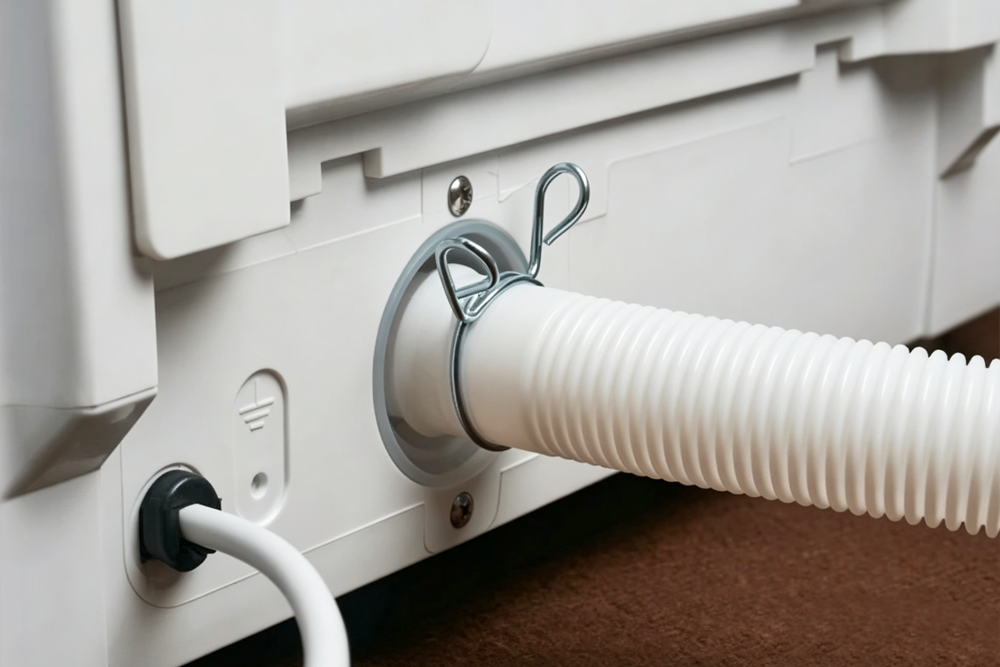
5. Excessive detergent
Using too much detergent, or the wrong type, can produce excess suds that prevent proper draining and may interfere with spinning. Always follow the detergent instructions, and use HE detergent with an HE washer.
6. Unbalanced load
A single bulky item washed by itself can throw the drum off balance during spinning and affect performance. Add more items to balance the load so the drum can spin smoothly.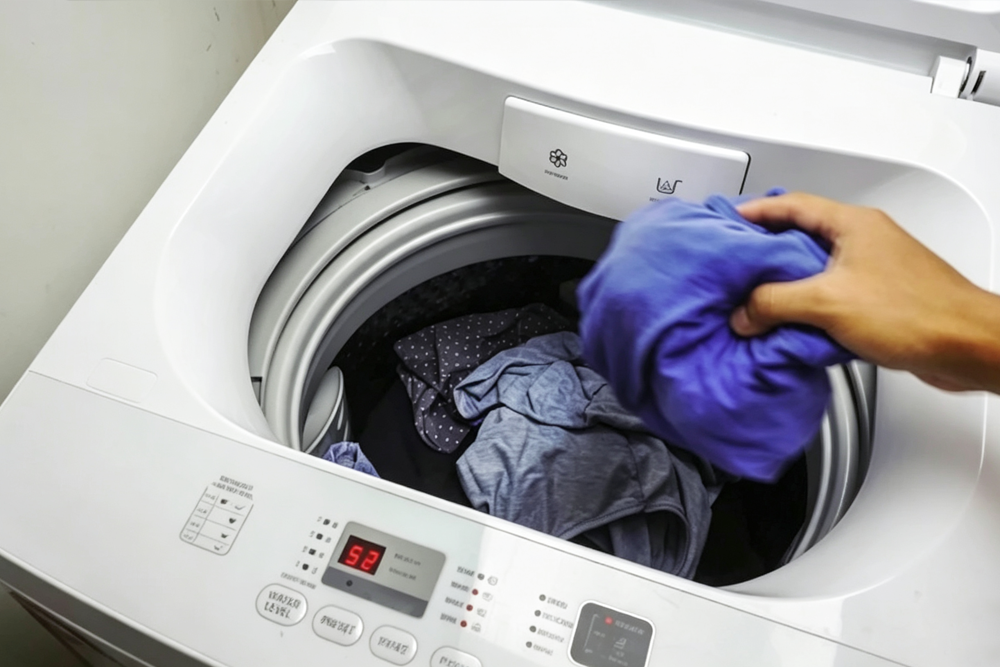
7. Overloaded washer
An overloaded washer may spin more slowly and take longer to complete a cycle, leaving clothes wetter than they should be. Avoid packing the load too tightly so the washer can perform effectively and clean clothes properly.
8. Incorrect cycle settings
Low-spin or no-spin settings reduce or eliminate spinning, leaving more water in the clothes and drum. If the wrong settings were selected by mistake, use a drain and spin cycle, if available, to remove excess water. Delicate or hand wash cycles also spin slowly by design to protect fragile fabrics, so some moisture is normal; however, these cycles may leave too much water in clothing if they are not well suited to the load.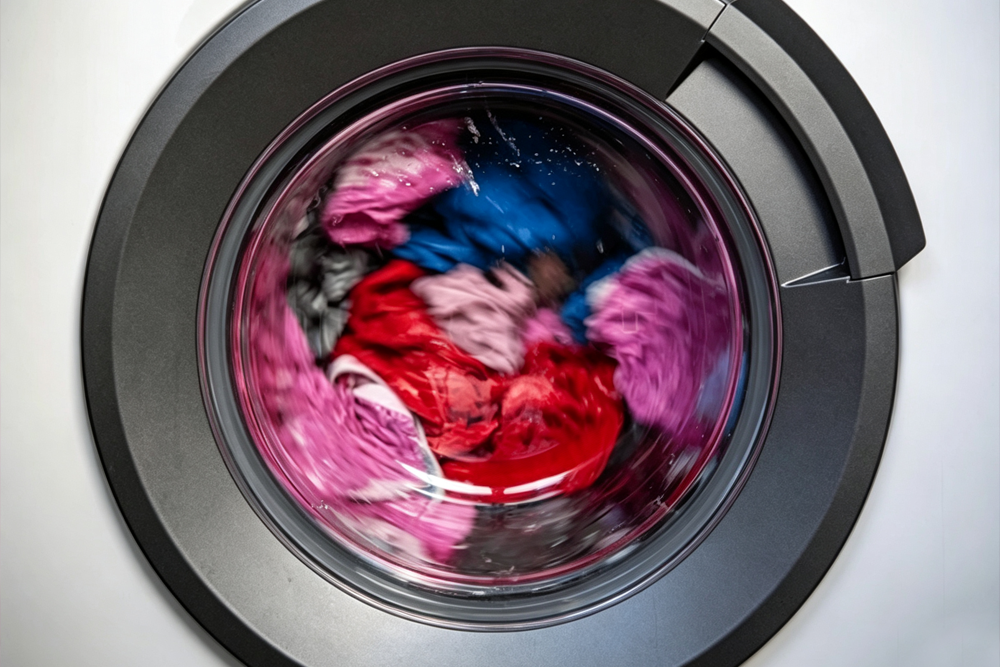
A few simple habits can make the difference between fresh, clean laundry and a wash cycle that fails to finish. The suggestions below cover proper loading and basic maintenance checks that help your washer keep spinning smoothly.
· Level the washer: Confirm that the washing machine is level. If it is off balance, the load may not spin correctly, and the washer may not operate properly.
· Reset the washer when necessary: Sometimes a simple reset is enough to restore normal operation. A top load washer, for example, may stop mid-cycle when it detects an unbalanced load. Check the owner’s manual for model-specific reset instructions.
· Load clothes correctly: An unbalanced or overloaded washer may have difficulty spinning or draining. Avoid washing a single bulky item on its own, and do not pack clothes too tightly.
· Check the drain pump for clogs: On front load washers, inspect the filter for debris and make sure the drain pipe is not kinked. On top load washers, the drain hoses are often harder to reach; if that is the case, calling a professional to access and inspect them may be best.
With more than twenty years of expertise in home appliance control, elecontro® is a professional manufacturer of washing machine controls that perfectly meet your individual requirements and preferences. elecontro®'s dynamic team of visionary engineers and designers continue to push the boundaries of home appliance control technology, ensuring we remain at the forefront of innovation.