Anyone who has experienced a smoke alarm triggered by cooking will recognize the essential role a range hood plays in the kitchen. Determining the most suitable model for your needs, however, involves considering several important factors. The following key points should be kept in mind when evaluating the available options.
1. Exhaust System Types
Ducted Exhaust Systems
A ducted system, also referred to as a vented system, operates by channeling airborne cooking byproducts through ductwork and expelling them entirely outside the residence. The term "exhaust" is central to its function—it removes air rather than returning it indoors. For optimal performance, installation on an exterior wall is recommended, as this allows for a shorter, more efficient duct run. Placement farther from an exterior wall increases both the complexity and cost of installation.
Ductless Exhaust Systems
A ductless, or non-vented, system draws kitchen air through internal filters to remove grease, smoke, and odors before recirculating the cleaned air back into the room. These systems generally operate with lower efficiency compared to ducted alternatives. They also require more frequent maintenance, including regular cleaning and periodic replacement of the filters. Awareness of these characteristics is advisable when considering this type of ventilation.
2. Kitchen Configuration
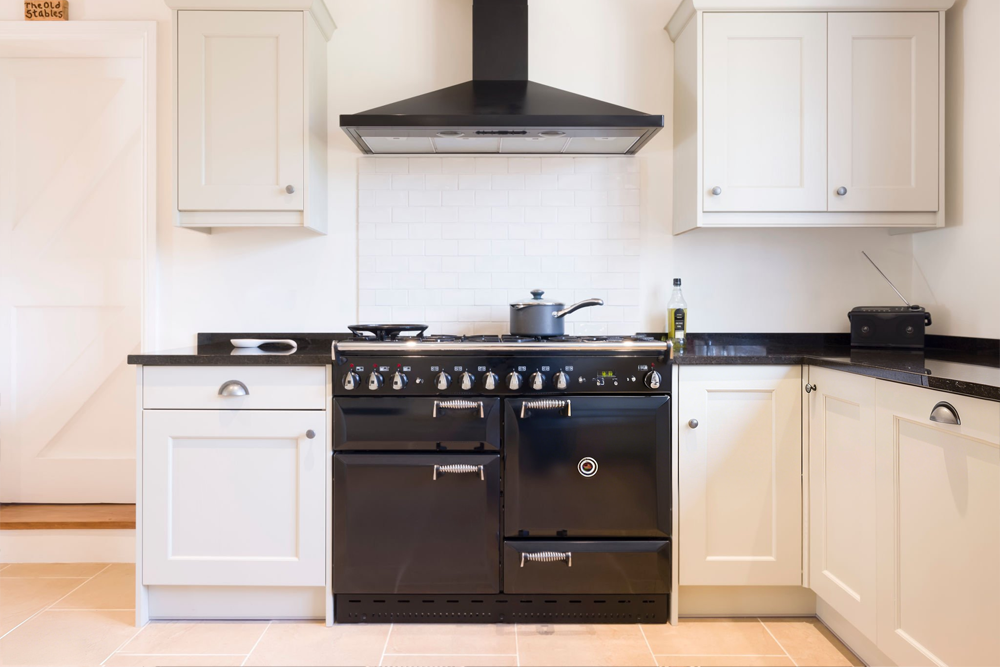
The layout of your kitchen determines the available space and influences the most suitable installation method for a range hood. A general guideline recommends positioning the hood 24 to 30 inches (approximately 60 to 76 centimeters) above the cooking surface, though consulting the manufacturer's specifications for the specific model is always advisable.
Depending on the kitchen design, a range hood may be mounted against a wall, installed beneath cabinetry, integrated into the ceiling structure, or suspended above an island cooktop. Certain models feature a telescoping chimney design that extends when needed and retracts for a concealed appearance when not in use. An alternative space-saving solution is the downdraft ventilation system, which rises from a dedicated slot in the countertop during operation and retracts flush with the surface when cooking is complete.
3. Fan Power Requirements
The dimensions of your kitchen determine the fan power necessary to effectively remove airborne grease and smoke while preventing lingering cooking odors. To calculate the required capacity, first determine the total volume of the space by multiplying the ceiling height by the room's length and width:
Ceiling Height × Room Width × Room Length = Kitchen Volume
For optimal performance, a range hood should be capable of exchanging or filtering the air within that volume at least eight times per hour. Selecting a unit that meets this turnover rate helps ensure efficient ventilation.
4. Determining Range Hood Airflow Capacity
The ventilation performance of a range hood can be assessed through a straightforward calculation involving its CFM rating. CFM, an abbreviation for "cubic feet per minute," indicates the volume of air the unit can exhaust in one minute. For example, a hood rated at 1000 CFM is capable of removing all air from a space measuring 10 feet by 10 feet by 10 feet within a single minute.
To determine the total air volume a specific hood can move in one hour, multiply its CFM rating by 60, representing the number of minutes in an hour. This calculation provides an estimate of the unit's hourly air exchange capacity.
5. Evaluating Range Hood Noise Levels
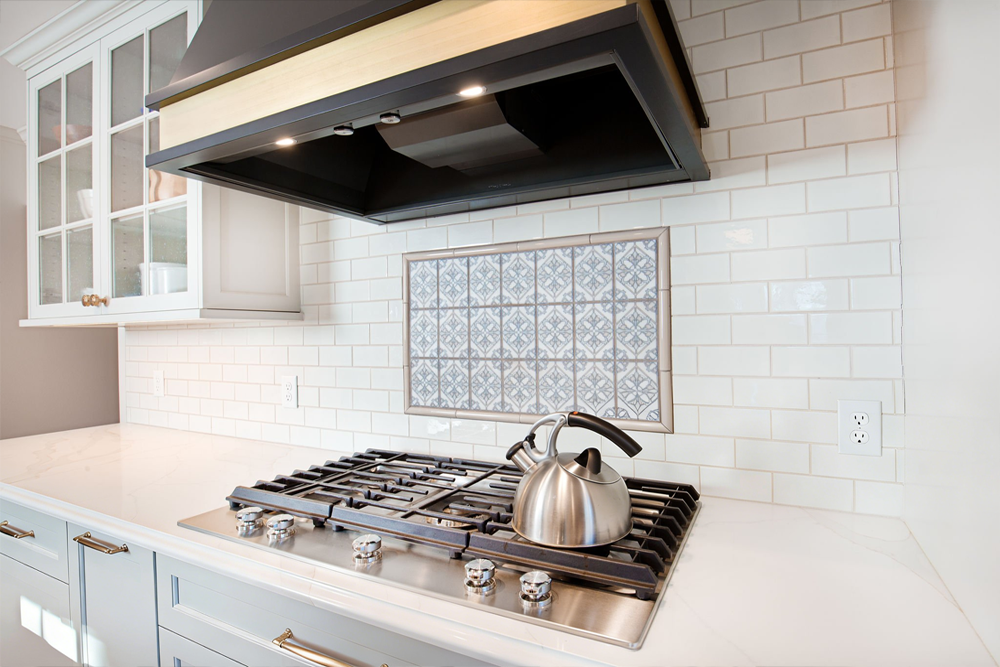
Selecting a high-powered ventilation unit is worthwhile only if its operation does not introduce disruptive noise into the kitchen environment. Experts recommend considering models designed to draw air through perforations along the perimeter rather than across a large, open intake area. This configuration can enhance both efficiency and acoustic comfort. When possible, it is advisable to experience the unit's sound output firsthand by testing it in a showroom or retail setting prior to purchase.
6. Aesthetic Considerations and Style
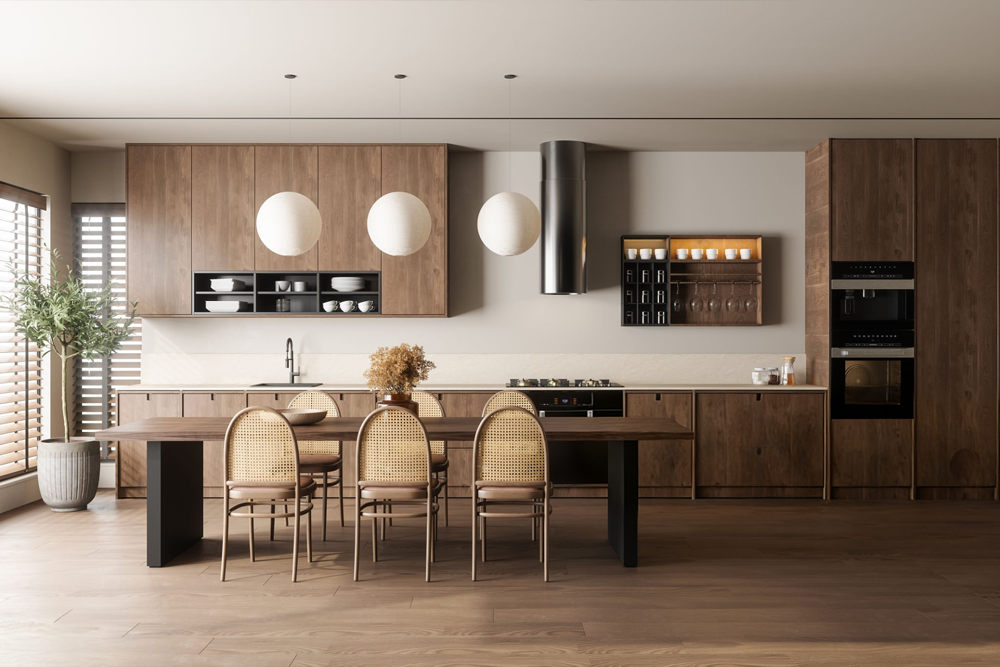
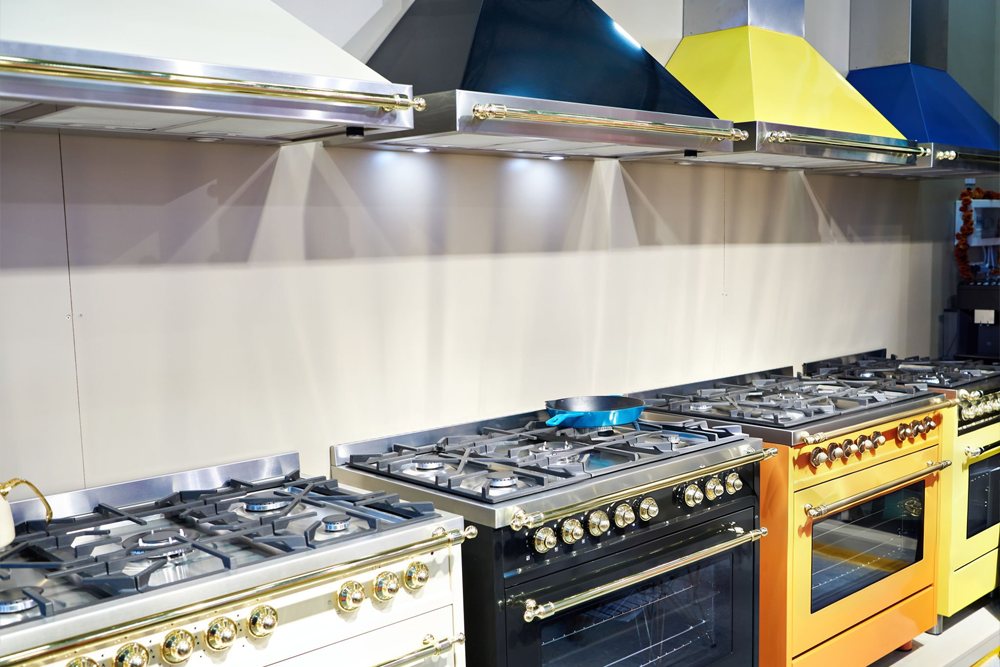
Selecting a range hood that complements your kitchen's design and aligns with your personal taste is an important aspect of the decision process. Various finish options are available, including brushed or polished surfaces and materials such as stainless steel or brass, each offering different visual effects and maintenance requirements. The overall appearance—whether contemporary or traditional in style—should harmonize with the architectural character of the home.
Integration with the surrounding cabinetry and decor is another factor to consider. For those seeking a bold visual statement, a model in a contrasting color or with a prominent mounting position can serve as a distinctive design feature within the kitchen space.
7. Budget and Cost Considerations
As with most household appliances, range hoods are available across a broad price spectrum. The final cost is influenced by several factors, including unit dimensions, fan power, construction materials, and additional features such as heat sensors, automatic shut-off functionality, or integrated lighting systems. Conducting preliminary online research to compare prices before visiting a showroom can provide a useful estimate of expected expenditures.
Installation expenses should also be factored into the overall budget. Professional installation is recommended for this type of equipment. Labor charges, combined with necessary materials such as ducting connectors and mounting hardware, can accumulate rapidly and may approach or exceed the cost of the hood itself.
Choose elecontro® Range Hood Controller – enhance your kitchen experience!
elecontro®'s range hood controller not only improves your cooking comfort but also maintains the pristine kitchen environment through detailed control of air flow and extraction rate. With more feature settings tailored to your cooking habits, you'll experience unparalleled performance and longer service life from your range hood.