The term standard hood is not used consistently in the appliance industry. In this article, it refers to a conventional recirculating range hood that filters cooking air and returns it to the kitchen. A vented range hood—also called a vent range hood—exhausts air outdoors through ductwork. Each type has distinct advantages, and the choice matters especially for households with gas stoves, where combustion byproducts and high temperatures require careful ventilation planning.
Range Hood: Definition and Purpose
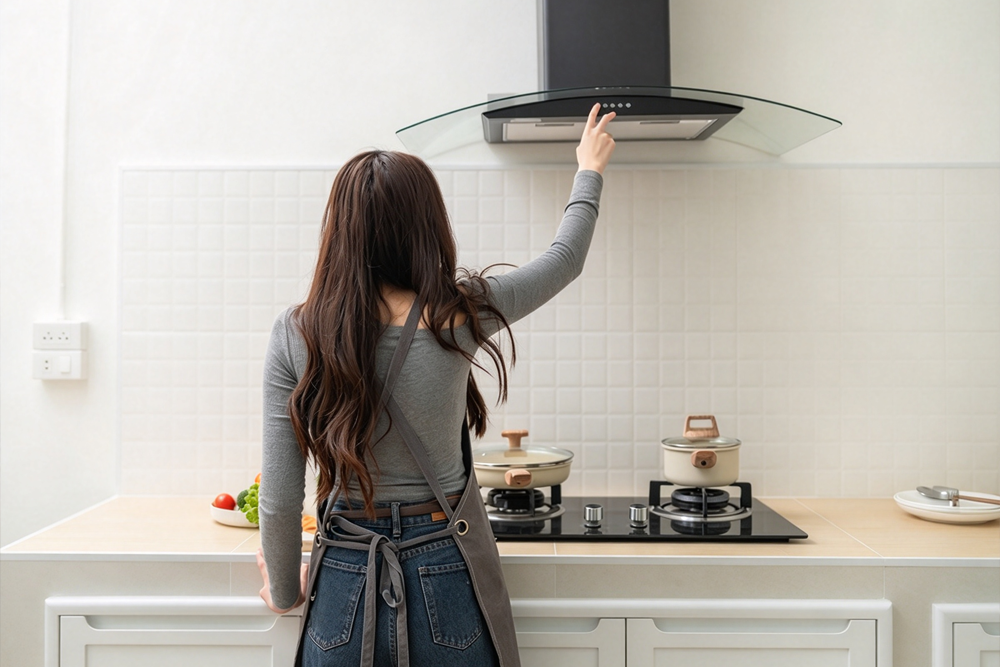
A range hood—often called a vent hood or kitchen hood—is an appliance installed over a range or cooktop to capture grease particles, smoke, moisture, heat, and cooking odors suspended in the air. A fan draws air into the unit. A recirculating hood then passes the air through charcoal filters and returns it to the kitchen, while a vented hood sends the air outdoors through ductwork.
Effective range hood operation supports indoor air quality, reduces lingering odors, and helps limit excess heat and moisture in the kitchen.
Key Differences Between a Standard Hood and a Vented Range Hood
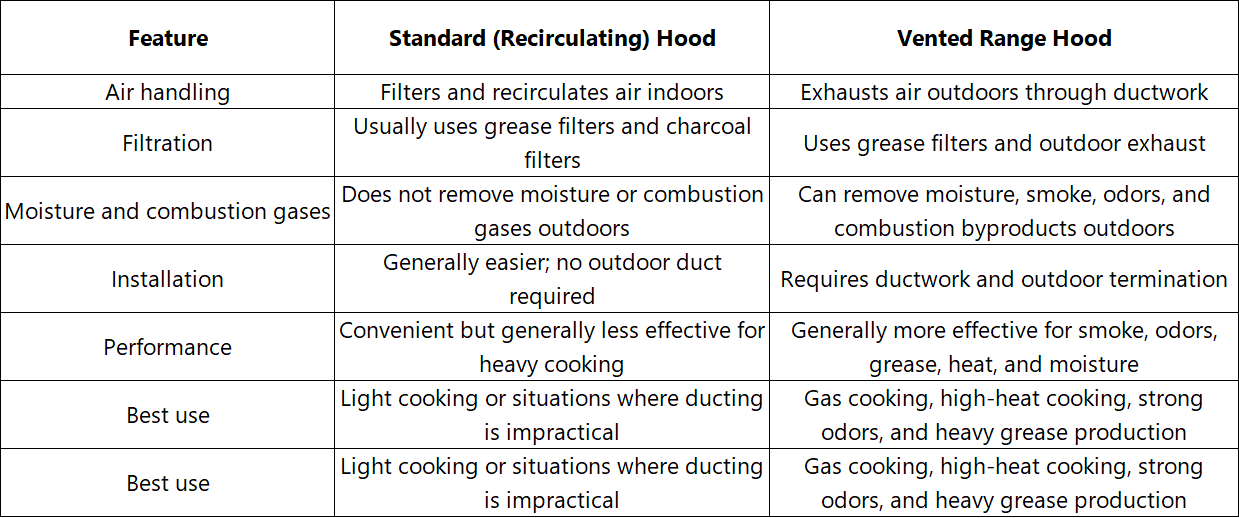
A recirculating hood can provide some filtration, but it is not equivalent to outdoor exhaust—especially where gas combustion byproducts are present.
Regulatory Requirements for Commercial Kitchen Hoods
Commercial kitchen hoods are subject to separate and often stricter regulations than residential range hoods. Businesses should follow applicable local mechanical, fire, and health codes and consult the authority having jurisdiction to maintain compliance and provide a safe working environment for employees and customers.
Is a Range Hood Necessary?
A range hood is necessary if the goal is to effectively remove smoke, grease particles, odors, heat, and steam produced during cooking. By preventing these pollutants from spreading through the home or workspace, a range hood helps maintain better indoor air quality.
A vented range hood is not strictly necessary in every kitchen, but it generally delivers better performance than a non-vented recirculating hood because it expels contaminated air outdoors rather than merely filtering and recirculating it.
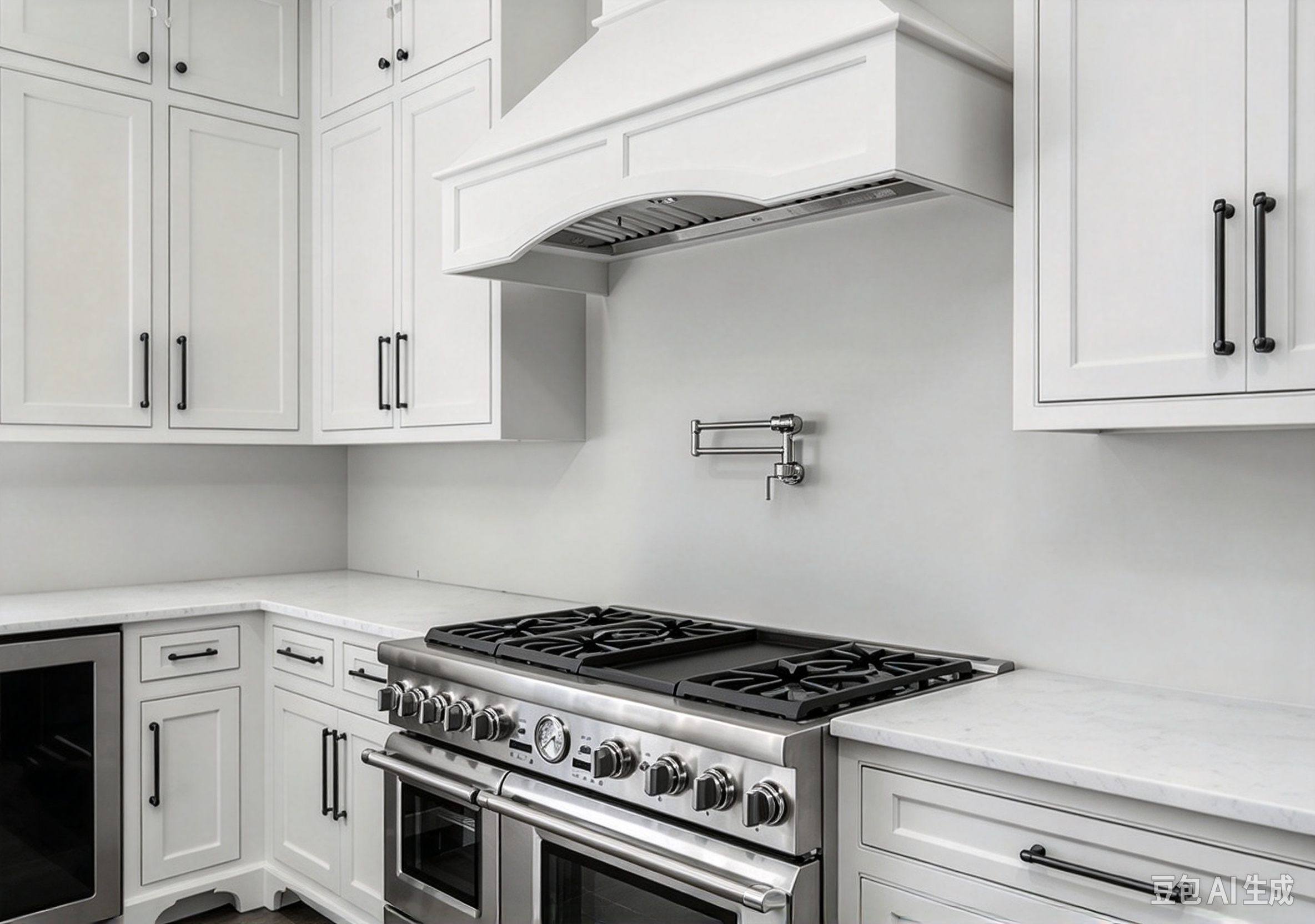
Is It Acceptable to Omit a Range Hood?
In certain situations, it may be acceptable not to install a range hood. However, that decision should consider the type of cooking appliance, available ventilation alternatives, kitchen size and layout, cooking habits, and any applicable building codes or local regulations. For gas stoves, outdoor ventilation is strongly advisable.
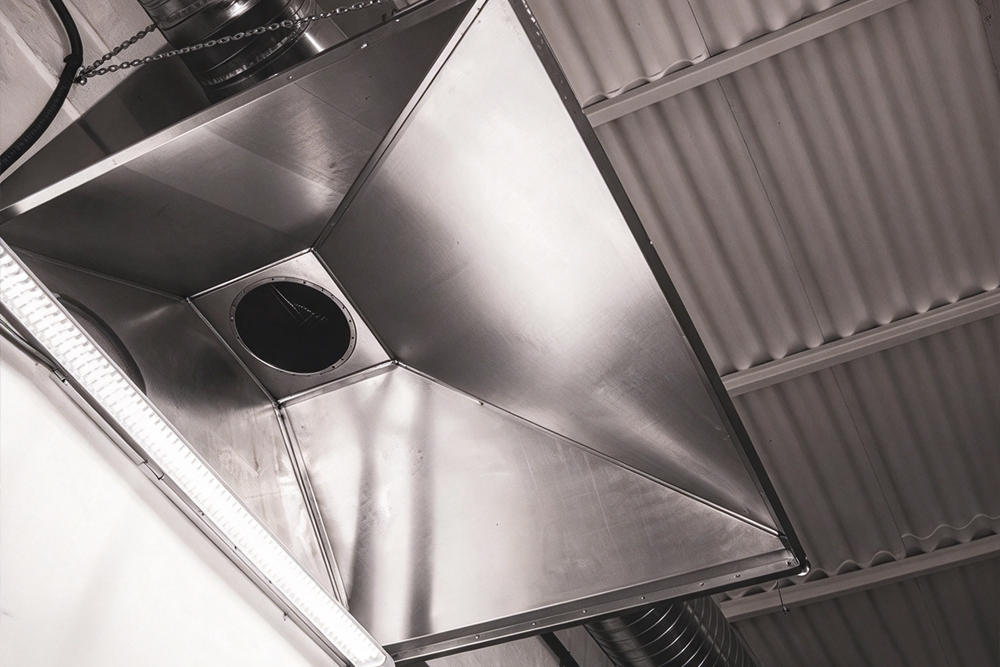
Kitchen Ventilation Alternatives
· Downdraft ventilation systems: Mounted behind or near the cooktop, these systems pull air downward and exhaust it outdoors. They conserve space, but they often provide less suction than conventional range hoods.
· Window exhaust fans: A fan installed in a nearby window can provide some ventilation, but it may be inadequate for heavy cooking or kitchens with limited natural airflow.
· Microwave exhaust fans: Some over-the-range microwaves include built-in exhaust fans. These can help remove smoke and odors, but they are often less effective than a dedicated range hood.
These alternatives may help in specific situations, but they should not be assumed to match the performance of a properly sized and installed vented range hood.
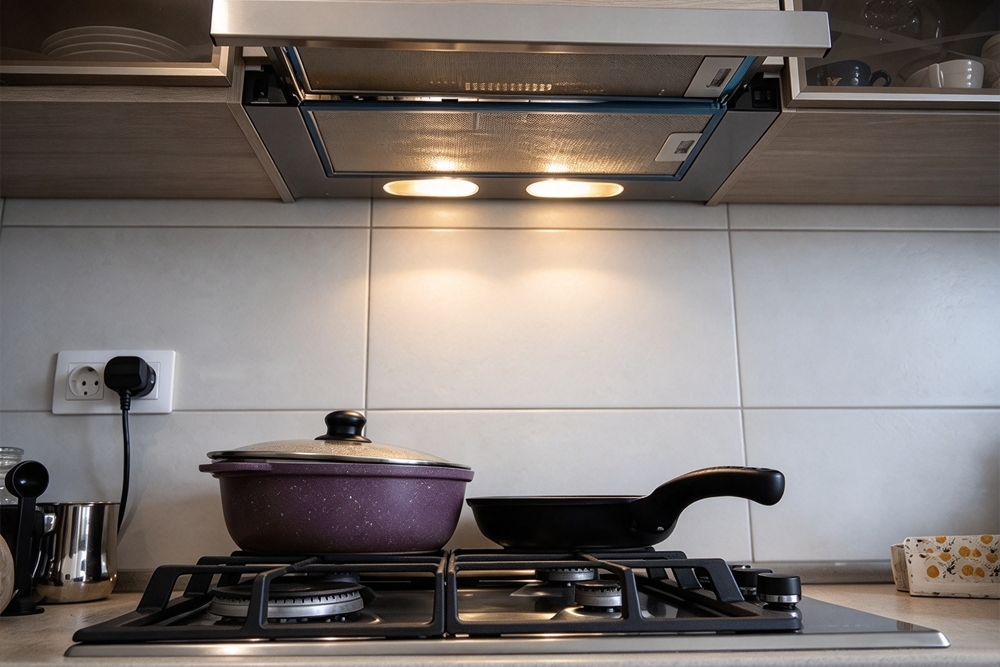
Why Kitchen Ventilation Is Essential
Effective kitchen ventilation is important for preserving indoor air quality and reducing potential health risks associated with airborne pollutants released during cooking. When ventilation is insufficient, occupants may experience respiratory irritation or discomfort, excess moisture, and other adverse effects. Adequate ventilation also helps limit grease accumulation on walls, cabinets, and other surfaces; if left unaddressed over time, grease buildup can create fire hazards.
Vented Range Hood: A Worthwhile Investment
For many households, a clean kitchen and healthy indoor air quality are important goals, which makes a vented range hood a significant investment. A vented hood is especially valuable in kitchens where cooking produces substantial smoke, grease, odors, heat, or moisture.
Is a Range Hood Necessary for a Gas Stove?
A range hood is strongly recommended above a gas stove because gas cooking involves combustion. When natural gas or propane burns, pollutants such as carbon monoxide, nitrogen dioxide, and water vapor can enter the home unless they are properly vented outdoors. For this reason, installing a vented range hood is highly advisable.
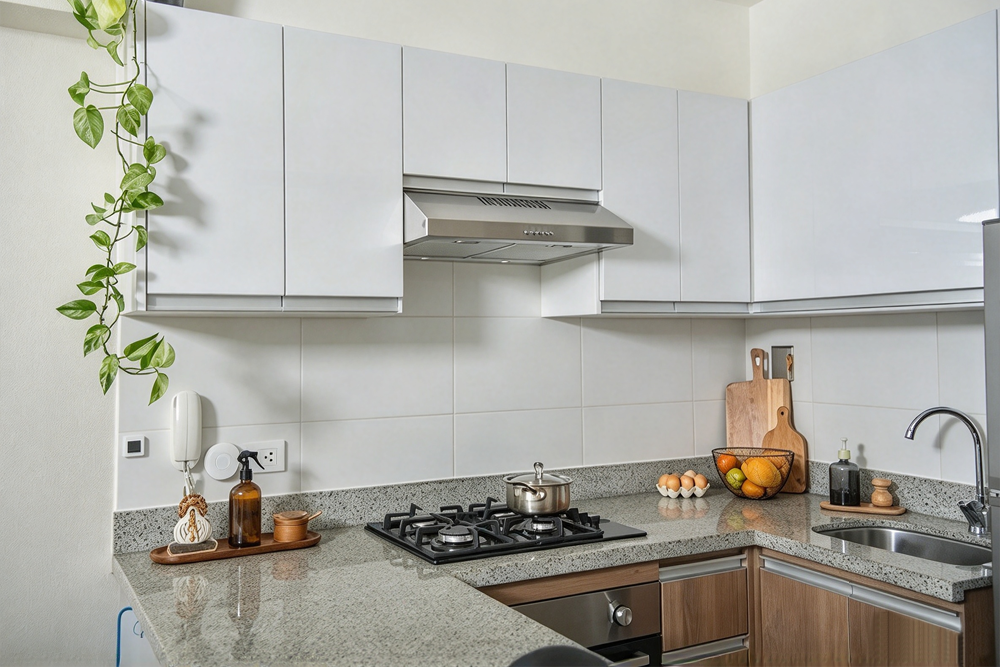
Do You Really Need a Range Hood Vent?
Installing a vented range hood can significantly improve indoor air quality by removing pollutants produced during cooking. Whether one is truly necessary depends on factors such as the size of the kitchen, how often high-heat or strong-aroma cooking occurs, the type of cooktop, and whether other ventilation sources—such as windows—are available.
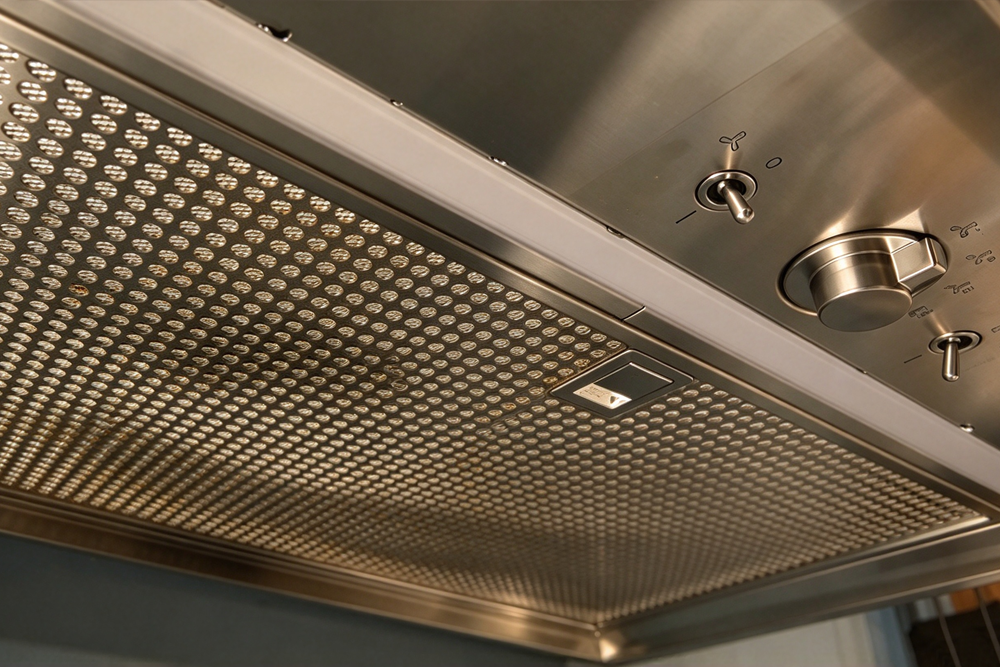
What Could Happen Without a Range Hood in Your Kitchen?
Several problems may develop over time if a range hood is not installed. Cooking smoke and odors can linger and reduce indoor air quality, while rising humidity levels may encourage mold growth. Grease can accumulate on walls and cabinets, causing damage or discoloration. In addition, long-term exposure to harmful gases produced by gas stoves may pose potential health risks.
A range hood is not always mandatory, but the advantages of installing one generally outweigh the drawbacks for many kitchens. Before deciding, consider the specific needs of the kitchen and check local building codes.
Gas Stoves: Efficiency, Control, and Ventilation Considerations
Many homeowners prefer gas stoves because they provide efficient operation and precise temperature control. Although it may remain uncertain whether a vented hood is strictly required in every situation, gas cooking produces combustion byproducts that make outdoor ventilation highly advisable.
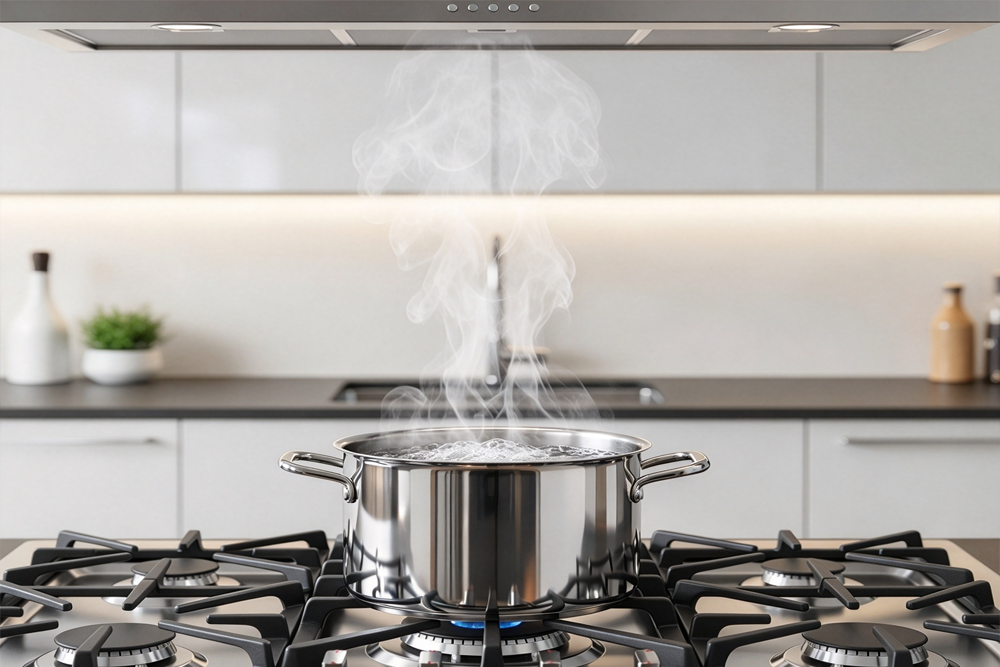
Do Electric Stoves Require a Vent Hood?
Electric stoves do not release combustion-related pollutants in the way gas stoves do, but they still produce heat, moisture, and cooking odors that can make a kitchen less comfortable. A range hood helps draw these elements out of the air, supporting better indoor air quality and a more pleasant cooking environment. Although most states do not mandate a vent hood by code, proper ventilation remains advisable.
Can a Stove Be Used Without a Vent Hood?
In some cases, installing a range hood may be difficult or impractical, such as in a small apartment. Under these circumstances, alternatives such as downdraft vents or window fans can help provide adequate ventilation while cooking on either an electric or gas stove. For gas stoves, however, outdoor exhaust remains strongly preferable.
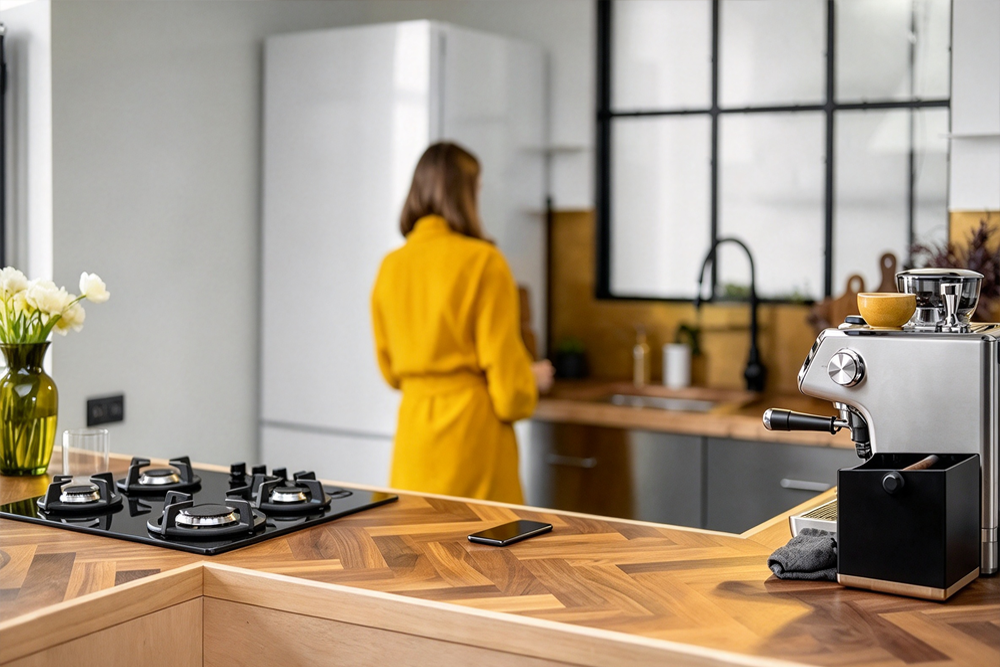
Ventilation Options for an Island Gas Stove
Ceiling-mounted island range hood: Suspended above the island cooktop, this type uses powerful fans to capture smoke, steam, and odors before expelling them outdoors through ceiling ductwork.
Recirculating range hood: When a ducted system cannot be installed, a recirculating range hood offers an alternative. It passes air through charcoal filters and returns it to the kitchen. Although it is generally less effective at removing contaminants than a vented hood, it can provide a certain level of filtration.
Downdraft vent: A downdraft vent draws smoke and fumes downward through vents positioned behind or near the cooktop surface, then discharges them outdoors through ductwork beneath the floor.
Do Gas Stoves Always Require Venting?
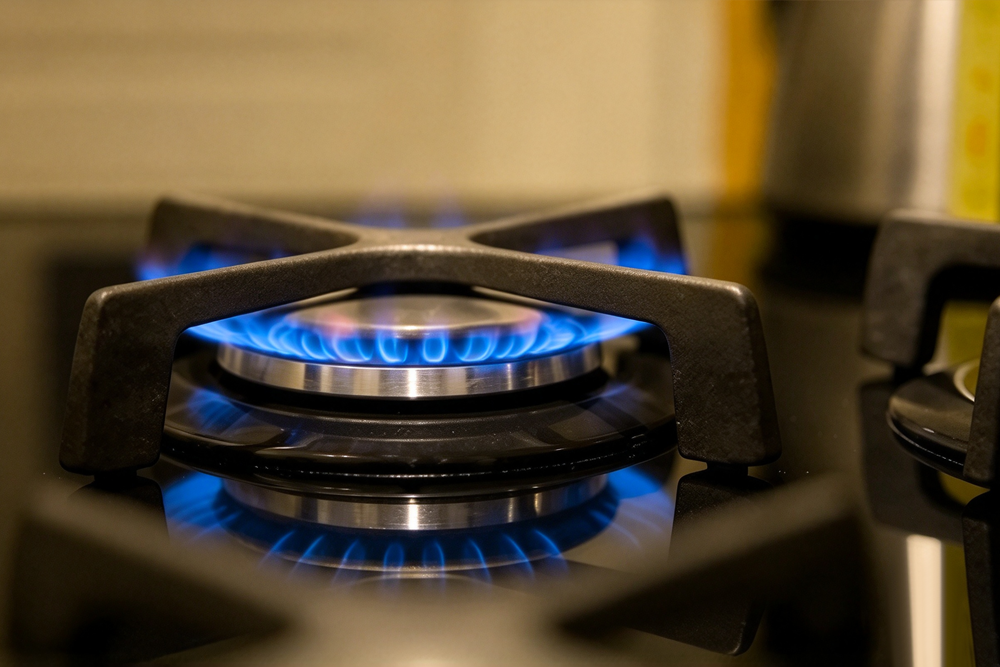
In most situations, a gas stove does need adequate ventilation because cooking with gas produces combustion byproducts. However, some modern models that use sealed burners and have low BTU output may be classified as “vent-free” or “unvented.” Even so, outdoor ventilation is generally recommended, and local codes should be verified.
Can an Electric Stove Be Used Without a Vent?
An electric stove does not generate harmful combustion byproducts such as carbon monoxide or nitrogen dioxide, so it can be used without a dedicated vent system. Even so, proper kitchen ventilation remains important for controlling heat buildup, moisture, and odors produced while cooking on any type of appliance.
Why a Range Hood Vent Is Worth Considering
A range hood vent supports several kitchen functions. It draws away surplus heat, steam, grease particles, and cooking odors, which helps protect indoor air quality and reduces the risk of damage to walls and cabinets caused by moisture and high temperatures.
· Safety: By extracting potentially harmful gases—such as carbon monoxide from gas stoves—and excess heat produced during high-heat cooking, a range hood vent can contribute substantially to household safety.
· Air quality: A properly operating range hood can filter pollutants that pose risks to health, including smoke, grease particles, carbon monoxide, nitrogen dioxide, and formaldehyde.
· Kitchen cleanliness: Grease particles that settle on surfaces over time can be hard to remove; effective ventilation helps limit this accumulation.
Advantages of Adding a Range Hood Vent
· Better lighting: Many contemporary range hoods include built-in lighting, which improves visibility while cooking.
· Temperature control: High-temperature cooking can raise indoor heat levels; a well-ventilated kitchen with a range hood helps keep temperatures more comfortable.
· Air quality: A range hood vent helps enhance indoor air quality by drawing away smoke, grease, odors, and potentially harmful contaminants generated during cooking.
· Maintaining cleanliness: Without adequate ventilation, grease particles can accumulate over time and become difficult to remove; a range hood vent helps prevent these particles from settling on kitchen surfaces.
An experienced contractor or builder familiar with both state and local regulations in New Jersey can help determine whether a range hood vent is needed in a specific case.
Choose elecontro® Range Hood Controller – enhance your kitchen experience!
elecontro®'s range hood controller not only improves your cooking comfort but also maintains the pristine kitchen environment through detailed control of air flow and extraction rate. With more feature settings tailored to your cooking habits, you'll experience unparalleled performance and longer service life from your range hood.